
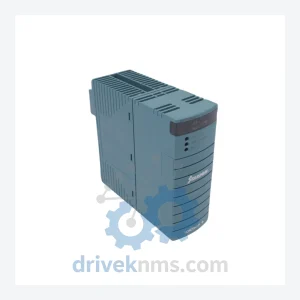
Yokogawa NFPW442-50 S2 Power Supply Module – Obsolete CENTUM CS3000 Spare Part
Yokogawa NFPW442-50 S2 is listed for CENTUM CS3000 RFQ review. Confirm quantity, condition and destination before quotation.
RFQ-ready industrial model
Model: SAI143-H63 S3
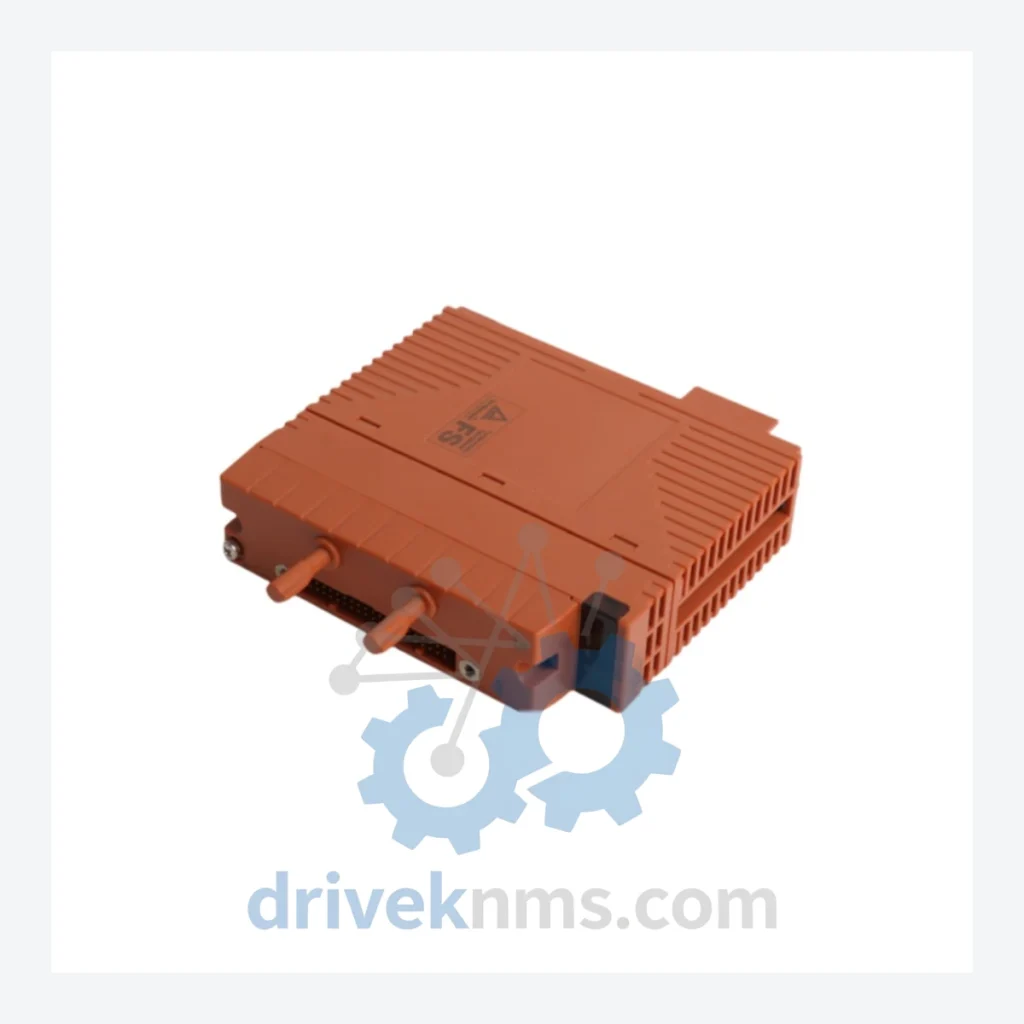
Product Overview
Commercial availability is handled through direct RFQ, model verification and export-oriented follow-up rather than public cart checkout.
Datasheet Preview
Use attached product manuals when available. If the manual is not public yet, request the full file directly through RFQ.
Commercial Path
Product pages on DRIVEKNMS are designed to verify model, brand and series first, then move the buyer into one clean quotation path.
Technical Dossier
When a signal conditioner module fails inside a Yokogawa CENTUM CS3000 distributed control system, the consequences extend far beyond a single I/O channel. The CENTUM CS3000 platform — deployed across refineries, chemical plants, and power generation facilities throughout the 1990s and 2000s — was officially transitioned to end-of-life support by Yokogawa. Replacement parts through OEM channels are no longer reliably available. A single failed SAI143-H63 S3 module, left unresolved, can force a plant to confront a full DCS migration project: engineering assessments, new hardware procurement, software re-engineering, loop re-commissioning, and operator retraining. Conservative industry estimates place such migrations in the range of several hundred thousand to several million USD, depending on system scale. DriveKNMS maintains RFQ-reviewed sourcing status of the SAI143-H63 S3. Securing a spare now is not a procurement exercise — it is an asset protection decision.
RFQ support for obsolete parts: Send the model number, required quantity and destination so DriveKNMS can confirm sourcing options before quotation.
| Parameter | Detail |
|---|---|
| Manufacturer | Yokogawa Electric Corporation |
| Part Number | SAI143-H63 S3 |
| Product Type | Signal Conditioner / Analog Input Module |
| Compatible System | Yokogawa CENTUM CS3000 DCS |
| Series | SAI143 (Analog Input Signal Conditioner) |
| Country of Origin | Japan |
| OEM Availability | Discontinued – No longer available through Yokogawa standard channels |
| Condition Available | New surplus / Tested refurbished (specified at time of order) |
Note: Electrical parameters such as input range, channel count, and power supply specifications are model-suffix dependent. Confirmed technical data is provided upon request with unit verification. No parameters are assumed or fabricated.
The Yokogawa CENTUM CS3000 was a dominant DCS platform across process industries for over two decades. Its I/O architecture relied on a structured family of signal conditioner modules — the SAI series — to interface field instruments with the control network. The SAI143-H63 S3 occupies a specific role within this architecture: it conditions analog signals from field devices before they reach the controller bus. There is no generic substitute. The module's form factor, backplane connector pinout, firmware handshake protocol, and diagnostic register mapping are all proprietary to the CENTUM CS3000 hardware generation.
Plants still operating CENTUM CS3000 systems face a structural dilemma: the control logic, operator interfaces, and process interlocks built on this platform represent decades of engineering investment. Migrating to a current-generation DCS — such as the Yokogawa CENTUM VP or a third-party platform — requires not only capital expenditure but also a planned production shutdown, extensive validation, and regulatory re-approval in many industries. For facilities operating on thin margins or under continuous production pressure, this is not a viable near-term option.
Obsolete hardware sourced outside OEM channels carries inherent risk. DriveKNMS applies a structured 5-step quality assurance process to every unit before dispatch review:
Q: Can you source other CENTUM CS3000 modules?
A: Yes. DriveKNMS specializes in the full range of Yokogawa CENTUM CS, CS3000, and related legacy I/O and controller hardware. Contact us with your full BOM for a consolidated availability assessment.
Continue The Model Path
Move from this exact model into the matching system hub, brand archive, model-family archive or lifecycle sourcing route before sending a final RFQ list.
Related Paths
Yokogawa NFPW442-50 S2 is listed for CENTUM CS3000 RFQ review. Confirm quantity, condition and destination before quotation.
Yokogawa S9344FA is listed for CENTUM CS3000 RFQ review. Confirm quantity, condition and destination before quotation.
Yokogawa NFCP100-S00 S2 is listed for CENTUM CS3000 RFQ review. Confirm quantity, condition and destination before quotation.