
YOKOGAWA STARDOM / CENTUM Series Analog Input Modules: AAM10
Yokogawa AAM10 is listed for STARDOM RFQ review. Confirm quantity, condition and destination before quotation.
RFQ-ready industrial model
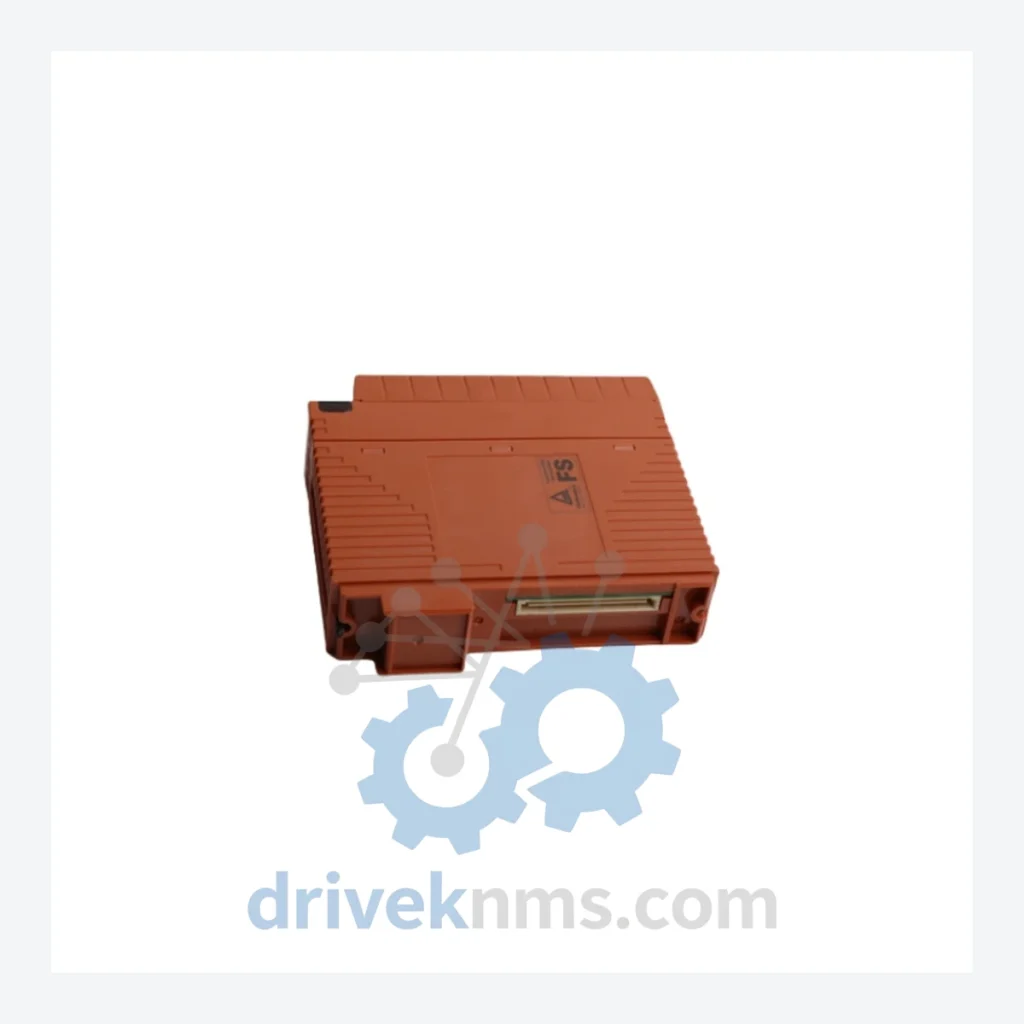
Model: SDV144-S33 S4
Product Overview
Commercial availability is handled through direct RFQ, model verification and export-oriented follow-up rather than public cart checkout.
Datasheet Preview
Use attached product manuals when available. If the manual is not public yet, request the full file directly through RFQ.
Commercial Path
Product pages on DRIVEKNMS are designed to verify model, brand and series first, then move the buyer into one clean quotation path.
Technical Dossier
DriveKNMS reviews sourcing options for this model through RFQ handling before quotation.
RFQ support for obsolete parts: Send the model number, required quantity and destination so DriveKNMS can confirm sourcing options before quotation.
| Attribute | Detail |
|---|---|
| Manufacturer | Yokogawa Electric Corporation |
| Part Number | SDV144-S33 S4 |
| Module Type | Digital Input (DI) |
| Series | CENTUM (CS / CS 3000 / VP compatible) |
| Country of Origin | Japan |
| Production Status | Discontinued – No longer manufactured |
| Typical Application | Process DCS field signal acquisition |
| Compatible Systems | Yokogawa CENTUM CS, CENTUM CS 3000, CENTUM VP (legacy I/O bus) |
The Yokogawa CENTUM platform has been the backbone of process control in refining, petrochemical, power generation, and pharmaceutical manufacturing for decades. Many of these installations were engineered in the 1990s and early 2000s with a 20–30 year operational horizon. That horizon has arrived.
The SDV144-S33 S4 sits at a critical junction in these systems: it is the interface between field instruments and the controller. A single failed module can take an entire I/O cluster offline. Because the module is discontinued, the only alternatives are a full system upgrade or sourcing from the secondary market.
Facilities that have adopted a structured spare parts strategy — maintaining one or two verified replacement modules per critical I/O cluster — consistently report the ability to extend DCS asset life by 5 to 10 years beyond the original end-of-support date. The math is straightforward: the cost of a secondary-market spare is measured in thousands of dollars. The cost of an unplanned system migration, executed under production pressure, is measured in millions. Plant managers and reliability engineers who treat legacy I/O modules as capital assets — not consumables — protect their facilities from forced, budget-cycle-disrupting upgrades.
The practical strategy is three-tiered: (1) audit all installed SDV144-S33 S4 positions and identify single points of failure; (2) secure a minimum of one cold-standby spare per critical cluster; (3) establish a documented inspection cycle for installed modules, focusing on capacitor condition and connector integrity. This approach has been validated across multiple long-cycle process industries where unplanned shutdowns carry regulatory and contractual consequences.
Sourcing discontinued hardware from the secondary market carries legitimate risk. DriveKNMS applies a 5-step inspection protocol to every SDV144-S33 S4 unit before it is offered for sale:
Units that do not pass all five stages are not offered for sale. Condition grade (New, Refurbished-Grade A, or Tested-Used) is disclosed on every order confirmation.
Should I buy more than one unit?
For any installation where the SDV144-S33 S4 is installed in a critical control loop, holding a minimum of one cold-standby spare is the standard recommendation. For facilities with multiple installed positions, a ratio of one spare per three to five installed units is a defensible starting point for a long-term asset protection strategy.
Continue The Model Path
Move from this exact model into the matching system hub, brand archive, model-family archive or lifecycle sourcing route before sending a final RFQ list.
Related Paths
Yokogawa AAM10 is listed for STARDOM RFQ review. Confirm quantity, condition and destination before quotation.
Yokogawa AAM50 is listed for CENTUM VP RFQ review. Confirm quantity, condition and destination before quotation.
Yokogawa AAI141-S00 is listed for CENTUM VP RFQ review. Confirm quantity, condition and destination before quotation.