
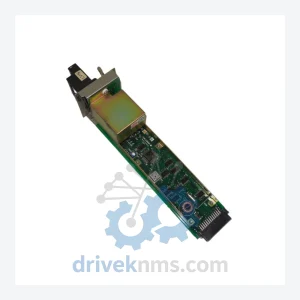
YOKOGAWA AIP512 RIO Bus Connection Module – CENTUM Series
Yokogawa AIP512 is listed for CENTUM Series RFQ review. Confirm quantity, condition and destination before quotation.
RFQ-ready industrial model
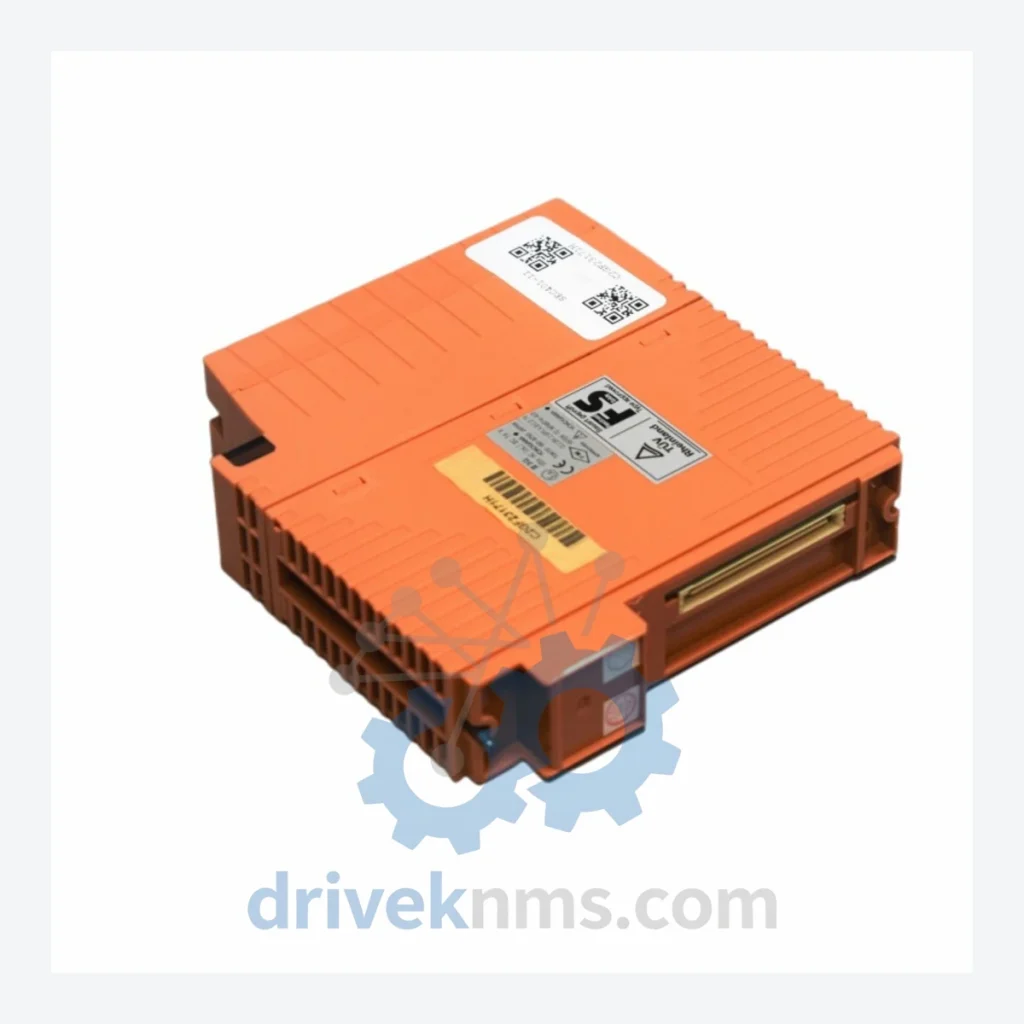
Model: SEC401-51 S3
Product Overview
Commercial availability is handled through direct RFQ, model verification and export-oriented follow-up rather than public cart checkout.
Datasheet Preview
Use attached product manuals when available. If the manual is not public yet, request the full file directly through RFQ.
Commercial Path
Product pages on DRIVEKNMS are designed to verify model, brand and series first, then move the buyer into one clean quotation path.
Technical Dossier
The SEC401 ESB Bus Coupler was introduced as part of YOKOGAWA's CENTUM CS platform in the mid-1990s, designed to replace earlier proprietary bus architectures with a more scalable, modular communication framework. The ESB bus operates at high-speed parallel data transfer rates, enabling deterministic scan cycles essential for safety-critical process control loops.
Across successive CENTUM generations — CS → CS 3000 → VP — the SEC401 hardware form factor maintained backward compatibility at the physical slot level, though firmware revisions (denoted by suffix codes such as S3, S4) introduced enhanced diagnostics, improved EMI tolerance, and extended operating temperature ranges. The SEC401-51 S3 specifically corresponds to the ESB coupler variant optimized for the CENTUM CS 3000 R3 and VP environments, supporting dual-redundant bus configurations.
The following SKUs represent the verified YOKOGAWA CENTUM SEC401 and associated ESB/bus coupler module range. Each model is classified by function and generation compatibility.
ESB Bus Couplers — Primary Series
ESB Extender & Terminator Modules
Node Interface & Communication Modules (ESB-Compatible)
Power Supply Modules (FCS / ESB Node)
I/O Modules (ESB Node — Representative Range)
ESB Bus Coupler modules present specific test challenges due to their role as the communication arbitration layer between the FCS processor and all downstream I/O nodes. DriveKNMS applies a structured verification protocol for all SEC401-series units:
Continue The Model Path
Move from this exact model into the matching system hub, brand archive, model-family archive or lifecycle sourcing route before sending a final RFQ list.
Related Paths
Yokogawa AIP512 is listed for CENTUM Series RFQ review. Confirm quantity, condition and destination before quotation.
Yokogawa KS1*B is listed for DCS Cards RFQ review. Confirm quantity, condition and destination before quotation.
Yokogawa SR1B-045N-1KC is listed for CENTUM Series RFQ review. Confirm quantity, condition and destination before quotation.