
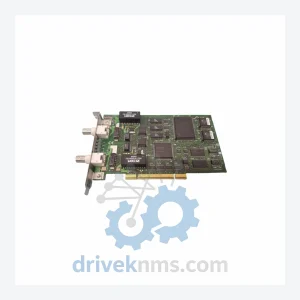
Yokogawa VF701 Series Modules VF701 S3 / VF701 S1 Communication Card
Yokogawa VF701 S3/VF701 S1 is listed for VF701 Series RFQ review. Confirm quantity, condition and destination before quotation.
RFQ-ready industrial model
Model: VI451-10 S2
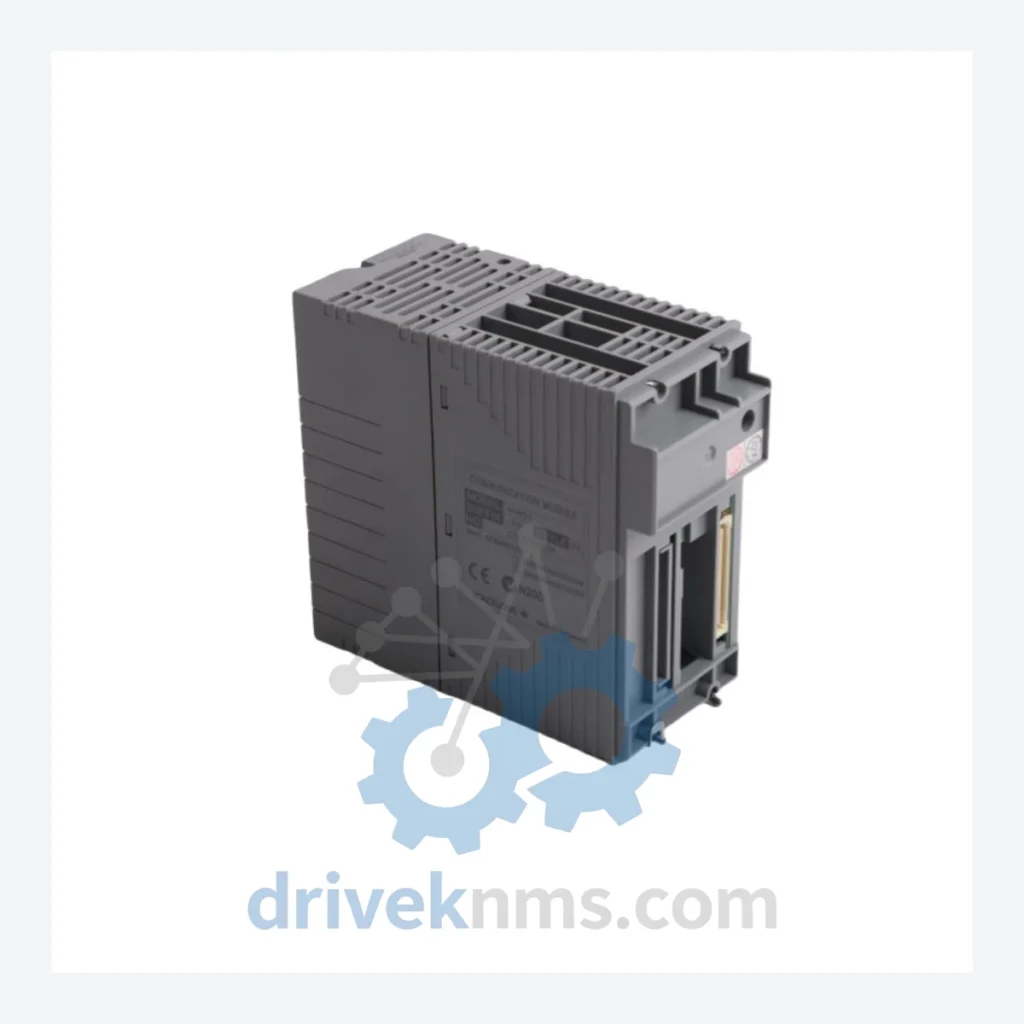
Product Overview
Commercial availability is handled through direct RFQ, model verification and export-oriented follow-up rather than public cart checkout.
Datasheet Preview
Use attached product manuals when available. If the manual is not public yet, request the full file directly through RFQ.
Commercial Path
Product pages on DRIVEKNMS are designed to verify model, brand and series first, then move the buyer into one clean quotation path.
Technical Dossier
RFQ support for obsolete parts: Send the model number, required quantity and destination so DriveKNMS can confirm sourcing options before quotation.
Note: Electrical parameters such as voltage ratings, communication protocol specifics, and bus interface details are model-variant dependent. DriveKNMS will provide verified datasheet documentation upon inquiry. No parameters are stated here that cannot be confirmed against original Yokogawa documentation.
The Yokogawa CENTUM platform was engineered for multi-decade operational life, and many facilities commissioned in the 1990s and early 2000s continue to run these systems as the backbone of their process control infrastructure. The VI451-10 S2 communication module occupies a critical position within this architecture — it handles inter-subsystem data exchange that, if interrupted, can trigger process shutdowns across entire production units.
Yokogawa has formally discontinued this module. OEM replacement channels are closed. When this component fails without a spare on hand, plant managers face a binary choice: source the part from the secondary market immediately, or begin an unplanned, budget-breaking migration to a modern DCS platform.
DriveKNMS operates as a specialist in exactly this segment of the supply chain. We source, inspect, and hold inventory of discontinued Yokogawa modules so that your maintenance team has a reliable fallback when the OEM cannot help.
Discontinued hardware sourced from the secondary market carries inherent risk if not properly evaluated. DriveKNMS applies a structured 5-step quality assurance process to every VI451-10 S2 unit before it is offered for sale:
Step 1 – Electrolytic Capacitor Assessment: Aging electrolytic capacitors are the primary failure mode in legacy communication modules. Each unit undergoes capacitor ESR measurement and visual inspection for bulging, leakage, or deformation. Units with degraded capacitors are either recapped with equivalent-spec components or removed from saleable inventory.
Step 2 – Firmware Version Verification: The installed firmware revision is confirmed against Yokogawa's documented compatibility matrix for the target CENTUM subsystem version. Mismatched firmware is a known cause of intermittent communication faults that are difficult to diagnose in the field.
Step 3 – Connector and Pin Integrity Check: All edge connectors and backplane pins are inspected under magnification for oxidation, corrosion, mechanical deformation, and solder joint integrity. Corroded contacts are cleaned using appropriate contact restoration procedures; units with structural pin damage are rejected.
Step 4 – Functional Bench Test: Where test fixtures are available, modules are powered and subjected to communication loop testing to confirm basic operational status prior to shipment.
Step 5 – Packaging and ESD Protection: All units are packaged in anti-static bags with desiccant and rigid outer packaging to prevent transit damage and electrostatic discharge.
The VI451-10 S2 is a direct hardware replacement for the same part number within the CENTUM architecture. This has specific operational implications for maintenance teams:
Drop-in Replacement: The module installs into the existing backplane slot without mechanical modification. No new mounting hardware, cabling, or chassis work is required.
No Re-programming Required: In standard replacement scenarios, the CENTUM system recognizes the module through its hardware address and existing configuration. This eliminates the need for a control engineer to rewrite or re-download application logic — a process that, in a live plant environment, requires formal management of change procedures and can take days to authorize and execute.
Extends Asset Life Without Capital Expenditure: Replacing a failed communication module at spare-part cost preserves the full operational value of the surrounding DCS infrastructure. Facilities that maintain a strategic inventory of critical discontinued modules have consistently extended their legacy system operational life by 5 to 10 years beyond the OEM's end-of-support date.
Continue The Model Path
Move from this exact model into the matching system hub, brand archive, model-family archive or lifecycle sourcing route before sending a final RFQ list.
Related Paths
Yokogawa VF701 S3/VF701 S1 is listed for VF701 Series RFQ review. Confirm quantity, condition and destination before quotation.
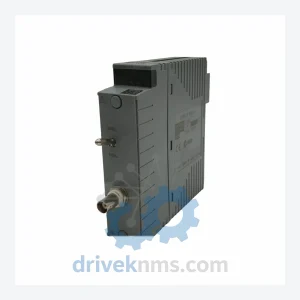
Yokogawa VC401-10 is listed for Communication Modules RFQ review. Confirm quantity, condition and destination before quotation.
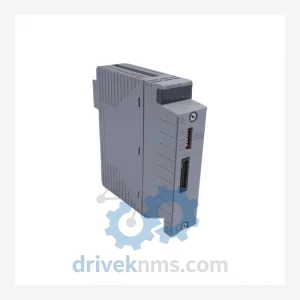
Yokogawa SB401-51 is listed for Communication Modules RFQ review. Confirm quantity, condition and destination before quotation.