A servo axis can reach position accurately and still leave maintenance with an unresolved brake problem. That distinction is easy to lose in an urgent purchase request. The description becomes motor fault, the buyer searches by frame size, and the brake option is treated as an accessory. On an axis where controlled holding matters, that small omission can invalidate the entire spare selection.
The starting question is not whether a replacement motor can turn. It is whether the complete motor assembly preserves the approved mechanical, feedback and braking arrangement. This is an evergreen maintenance issue, not a claim of a new SEW-EURODRIVE recall or discontinuation notice.
Read the brake designation before comparing prices
SEW-EURODRIVE’s CMP synchronous servomotor manual describes the BK brake as a permanent-magnet holding brake with an emergency-stop function. It distinguishes its fixed coil polarity from the BP arrangement and states that BK brake replacement is to be performed by SEW-EURODRIVE. These are reasons to preserve the exact brake identity, not instructions for improvised workshop conversion.
Holding duty and regular dynamic stopping duty are different purchasing questions. The existence of an emergency-stop capability does not establish unlimited stopping energy, unrestricted repetition or suitability for a new machine duty. The applicable motor documentation and machine design must determine allowable use. Do not use the word brake alone as a specification.
For an installed assembly identified as CMP40M/BK/KY/RH1M/SB1, preserve the entire designation in the inquiry. A quotation shortened to CMP40M loses the very options that maintenance needs to compare. Ask for readable offered-unit labels and a clear statement of what is included before agreeing that another assembly is equivalent.
The motor and the drive need separate fault decisions
Procurement often receives a single request for a servo spare even though the suspected failure could be in the motor, its brake circuit, feedback path, cable assembly, controller or mechanical load. An experienced maintenance team separates these decisions before purchasing. Otherwise, an available drive can become the default purchase simply because it is easier to identify online.
A listing such as the MOVIDRIVE MDX61B0110-5A3-4-0T drive concerns a different assembly from the motor-side holding brake. Its presence in a catalog is not evidence that it matches the CMP40M assembly above, and this article makes no pairing claim. Any proposed motor-drive combination must be checked against the actual axis design and manufacturer’s selection requirements.
Keep the fault report factual: when the symptom occurs, what the machine reports, which approved checks have been completed and what remains uncertain. Distinguish failure to release, failure to hold, feedback errors and drive trips. These observations guide the competent engineer’s investigation; they should not be translated directly into a replacement recommendation by the buyer.
Define the condition of the complete assembly
A motor advertised as unused, repaired or tested still needs a precise supply description. Does the offer include the specified brake, feedback device and connector arrangement? Is the shaft condition documented? Which components were replaced, and who performed the work? A generic powered rotation test does not answer these questions.
Request evidence appropriate to the risk. Photographs can establish visible identity and condition, but not braking performance. A test report should identify the tested unit, the test scope and its limitations. A statement that the motor ran should not be read as proof that the brake meets the machine’s holding requirement under its actual load.
Where a brake-related repair is proposed, respect the manufacturer’s service restrictions. Do not accept an undocumented internal brake replacement as routine refurbishment. Clarify whether the supplier is offering a complete motor, an exchange service or an assessment followed by a repair proposal. These routes have different ownership, return and downtime implications.
Plan acceptance before the spare arrives
For a vertical or gravity-loaded axis, safe mechanical support and the machine’s approved isolation procedure come before removal or testing. A holding brake must not be treated as the sole protection for personnel working beneath a load. The machine-specific risk assessment governs the work; this article is a procurement guide, not a commissioning procedure.
Prepare an acceptance sheet covering exact identity, offered condition, supplied accessories, engineering approval and the required functional verification. Allocate responsibilities in advance. Receiving can inspect labels and transport damage. An authorized technical team must assess suitability and carry out any required installation and performance checks. Do not let a warehouse acceptance stamp imply machine release.
Keep the old assembly’s identity linked to the replacement record. If the fault remains unresolved, preserve it for investigation under the plant’s procedures rather than returning it immediately without recording the evidence. If an exchange deadline applies, reconcile that commercial obligation with the investigation plan before placing the order.
The useful stock decision is therefore assembly-specific. A common frame may serve several axes, but different brake and feedback options can prevent pooling. Mark approved applications explicitly and leave unapproved substitutions visible. A smaller quantity of correctly qualified stock can provide more meaningful coverage than a shelf of superficially similar motors.
Questions buyers ask before ordering
Can I order by CMP40M alone?
Not for a confirmed replacement. Include the full installed designation, label photographs and machine requirements. The frame name alone does not communicate the complete brake, feedback and connection arrangement.
Does emergency-stop capability make BK a general service brake?
No. The permitted stopping work and operating conditions must come from the applicable manufacturer documentation and machine design. Do not infer continuous dynamic duty from an emergency-stop description.
Does a successful motor run prove the holding brake is acceptable?
No. Running and holding are different functions. The acceptance plan must cover the required brake function using an approved safe procedure, with results tied to the supplied assembly.
Should I buy a replacement drive when the brake will not release?
Only after the responsible technical team establishes the fault and replacement scope. A drive, motor brake, cable or control problem can require different remedies; a catalog listing is not a diagnosis.
Send DriveKNMS the complete motor designation, brake details, label photographs, required condition and destination at sale@driveknms.com. We can frame a quotation around the identified assembly and state what is included, without treating a motor, brake and drive as interchangeable purchases.
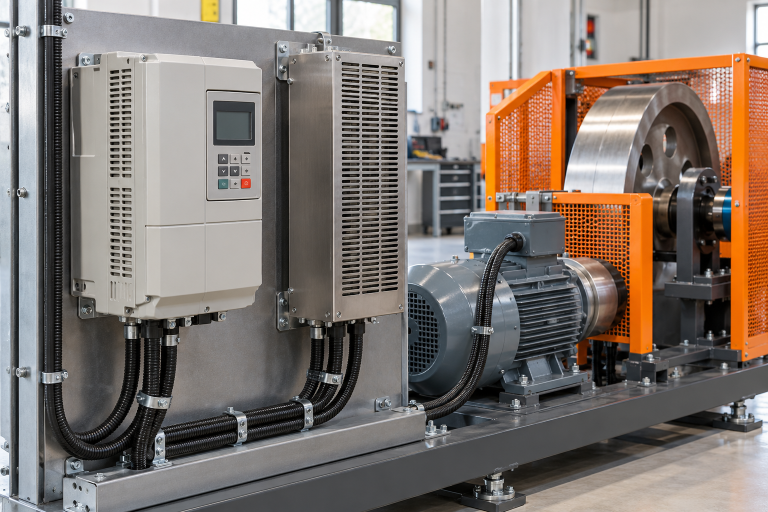
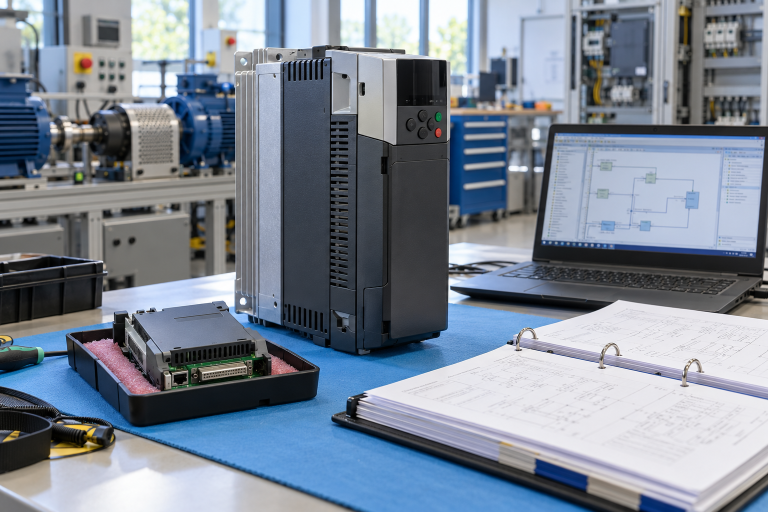
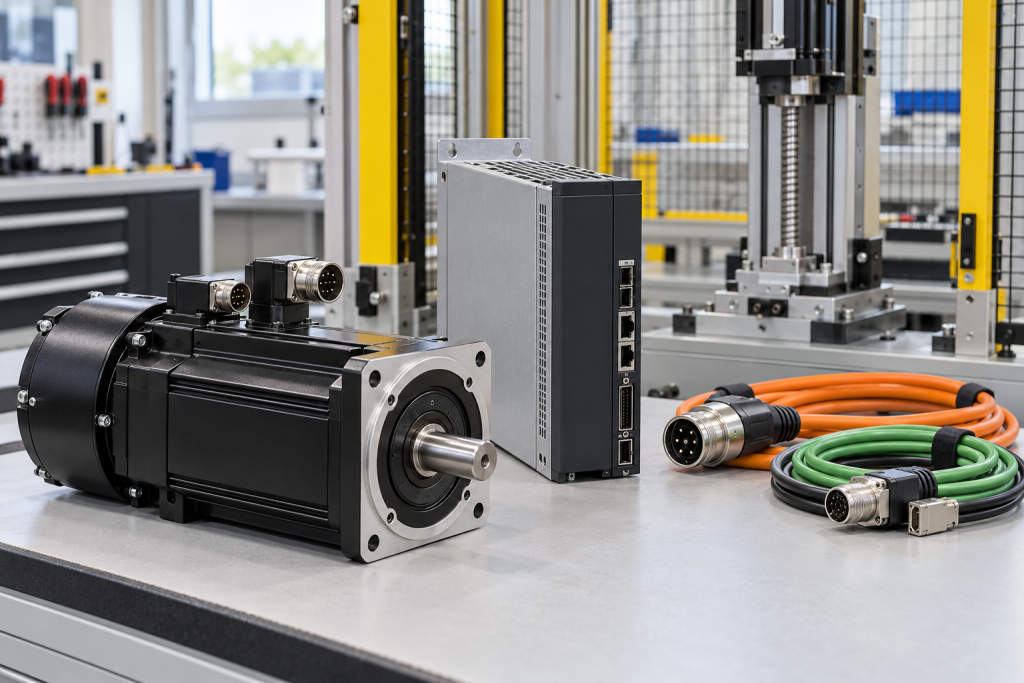
Image: AI-generated editorial illustration, not an exact product photograph or installation reference.
© 2026 DriveKNMS. All rights reserved. Official Website: https://driveknms.com Inquiry: sale@driveknms.com | WhatsApp/Tel: +86 18359293191