Motor auto-tuning is a configuration and acceptance activity, not a generic check that a drive powers up. On a Yaskawa G7 application, a rotating tuning method and a stationary method do not establish the same result under the same conditions. Before a replacement is accepted, identify which method the approved application requires, what motor data it uses and what evidence supports that decision. An unfamiliar machine should never be started merely to complete an informal tuning demonstration.
Separate tuning purpose from production operation
Yaskawa’s G7 documentation distinguishes rotational auto-tuning, stationary auto-tuning and a stationary method limited to line-to-line resistance. The available method depends on the applicable control arrangement and documentation. These names should not be collapsed into a single checkbox marked auto-tuned. Preserve the exact method and its scope in the controlled record, together with the motor and drive identities to which it applies.
A successful tuning activity does not independently approve the machine’s operating sequence, protective functions or driven load. It establishes a bounded finding about the documented motor-control setup. Keep that finding separate from production acceptance. This matters when a repaired or replacement drive is examined on a bench: the test environment may differ substantially from the installed mechanical system the unit is intended to control.
Identify the motor before comparing parameter files
The CIMR-G7A4011 drive listing identifies a particular hardware request. Connect it to the actual motor nameplate, approved control-mode reference and applicable software documentation. Do not assume that a configuration retained from another G7 application contains appropriate motor data simply because the offered drive has a familiar family name. Keep the asset association explicit in the maintenance packet.
Preserve the origin of the motor data as well. Nameplate entries, approved engineering calculations and values obtained through a defined tuning method are different sources. A file that contains plausible numbers without that history is not a complete acceptance record. Where the motor has been changed or repaired, the responsible team should decide which existing evidence remains applicable rather than silently carrying every old value into the new record.
Let the mechanical arrangement constrain the plan
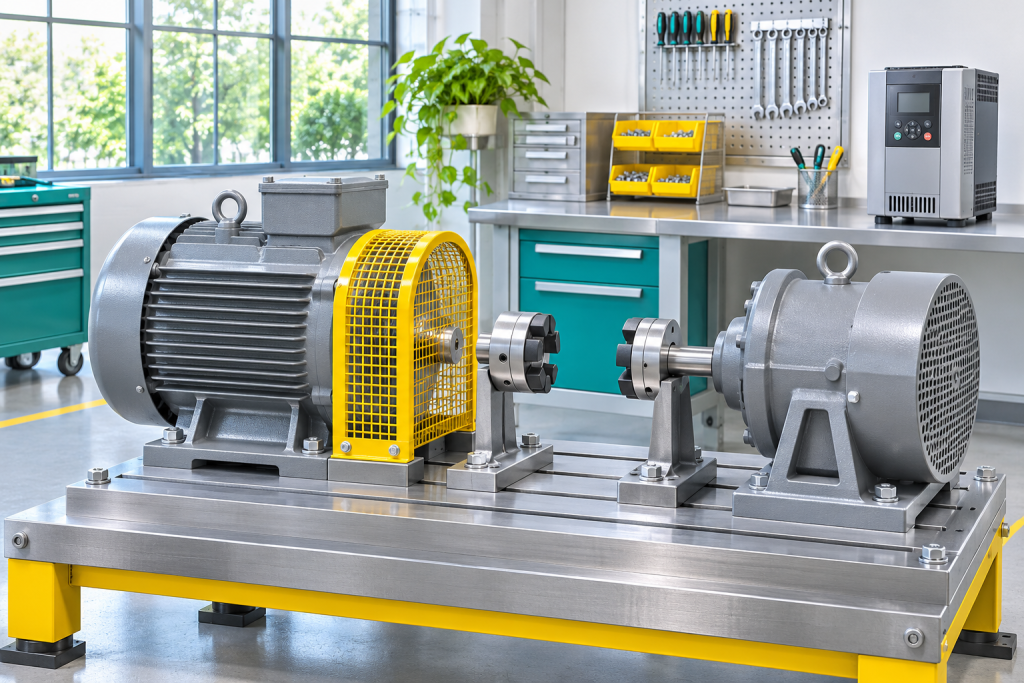
A rotating motor test has consequences for the shaft, coupling and driven equipment. Identify the approved mechanical condition before any test is considered. Whether a load can be separated, whether motion is permissible and which safeguards apply are decisions for qualified personnel under the site’s procedures. This article does not provide an uncoupling sequence, an energization procedure or a parameter recipe for running a motor.
Stationary is not a synonym for electrically isolated or harmless. A tuning activity remains an authorized electrical operation even where the selected method does not require normal shaft rotation. Keep the relevant OEM warnings and site controls attached to the plan. Do not use a stationary option as an improvised workaround for an unresolved safety or process constraint that prevents the originally proposed activity.
Do not promote a limited result into a complete motor model
The distinction between the documented methods matters when reading a service report. A result limited to resistance-related evidence should not be described as proof that every motor-model quantity has been established. Ask the report to identify the actual method, equipment and conditions used. The next engineer should not have to infer those facts from a short comment or the fact that no fault was visible at the end.
For a request involving the CIMR-G7A43P7 G7 variant, preserve that unit’s own complete identity and motor association. A second family member does not automatically inherit the first application’s tuning evidence. Compare the approved requirements and applicable documentation rather than treating different drive and motor combinations as equivalent entries in a generic spare pool.
Keep before-and-after evidence under control
Retain the approved configuration baseline and relevant as-found observations before any authorized adjustment. If a discrepancy is found, identify its owner and proposed disposition. Avoid rewriting the baseline simply because a new service record contains a different number. The purpose of comparison is to make an engineering decision visible, not to erase the evidence that a decision was required.
An acceptance report can separately state hardware condition, configuration comparison and the outcome of the authorized functional work. Include the limitations of each finding. A drive may pass an agreed hardware inspection while the machine-specific control setup remains unapproved. Reporting that distinction honestly helps purchasing and maintenance continue the work without interpreting partial evidence as a complete return-to-service approval.
Define the handover before the purchase is released
A useful DriveKNMS request includes the full installed drive identity, intended motor reference, required supply scope and condition evidence. State whether configuration or tuning acceptance remains a separate plant responsibility. Keep detailed project files and engineering credentials within the plant’s controlled systems. The supplier should not need unrestricted access to operational equipment to provide a bounded hardware quote.
For the plant’s acceptance packet, identify the applicable method reference, authorized test conditions and responsible reviewer. Record what evidence would close any remaining gap. This makes the later commissioning discussion more efficient because everyone can see whether the outstanding issue concerns hardware identity, motor information, a permitted test condition or the interpretation of a completed result. It also avoids repeated tuning attempts as a substitute for a clear requirement.
Frequently asked questions
Are rotational and stationary auto-tuning interchangeable labels?
No. The G7 documentation distinguishes methods with different scopes and conditions. Preserve the exact applicable method rather than recording only that tuning occurred.
Does a stationary method mean the equipment is electrically isolated?
No. Treat tuning as an authorized electrical operation with the applicable OEM warnings and site safety procedures, even when normal shaft rotation is not required.
Can another G7 application’s motor data approve a spare?
No. Connect the configuration to the actual motor, control arrangement and approved baseline. A shared drive family is not evidence of an identical motor-control setup.
What should a useful tuning report identify?
Record the exact equipment, method, conditions, evidence and limitations. Keep hardware inspection, configuration approval and machine acceptance as distinguishable findings.
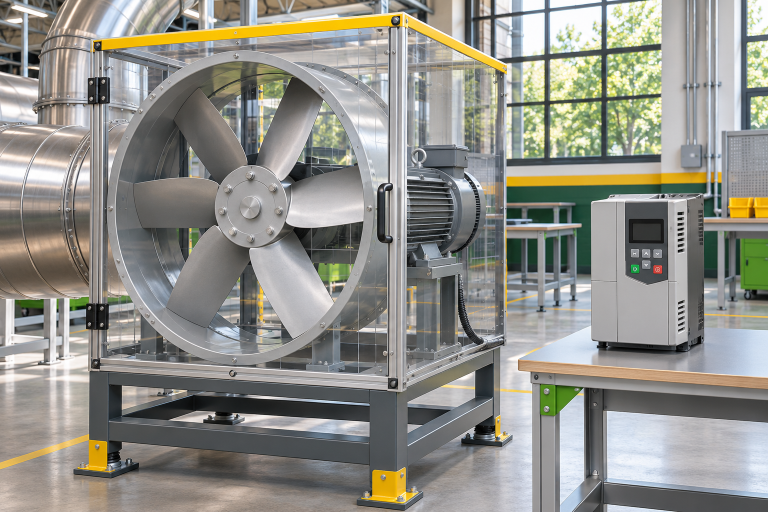
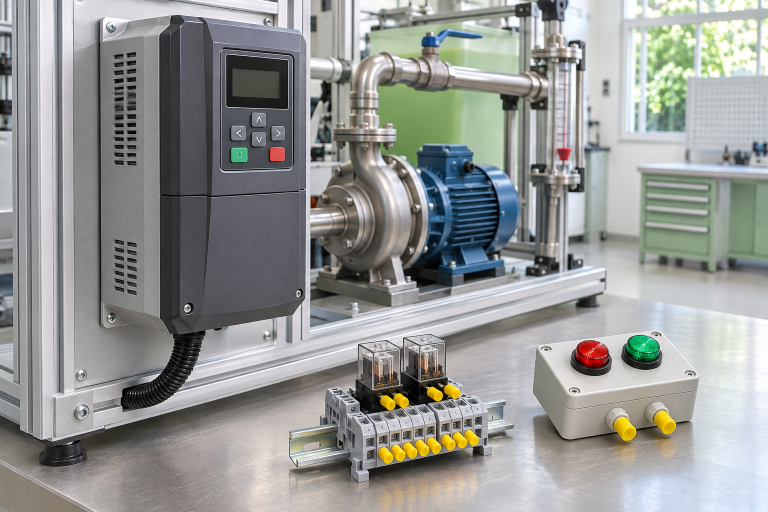
Image: AI-generated editorial illustration, not an exact product photograph or installation reference.
© 2026 DriveKNMS. All rights reserved. Official Website: https://driveknms.com Inquiry: sale@driveknms.com | WhatsApp/Tel: +86 18359293191