
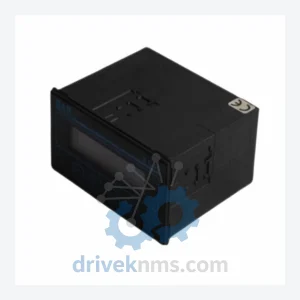
Westinghouse SAE-KA Modules | SAE-KA-40-S/T
Westinghouse SAE-KA Series: Comprehensive Module Range and Technical Overview The Westinghouse SAE-KA series is a family of analog servo amplifier…
Model: 1C31204G01
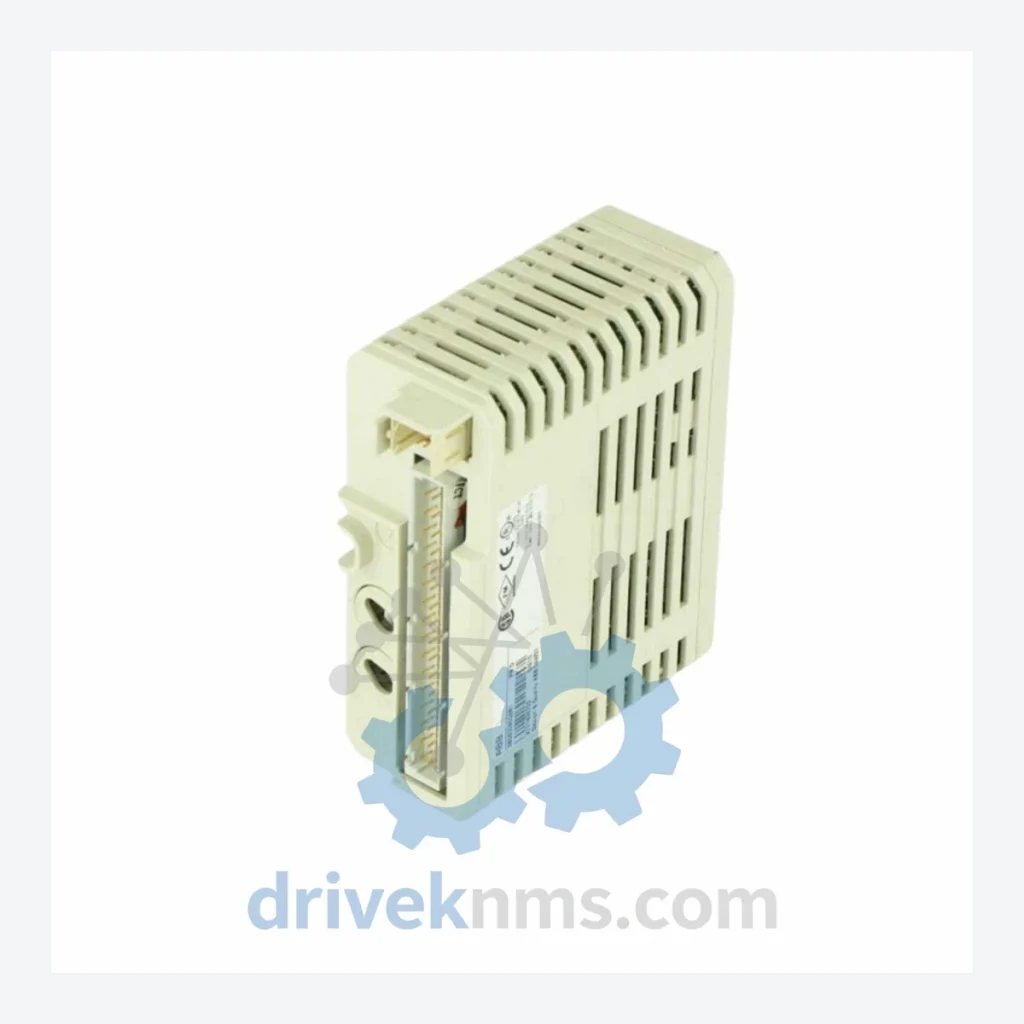
Product Overview
Commercial availability is handled through direct RFQ, model verification and export-oriented follow-up rather than public cart checkout.
Datasheet Preview
Use attached product manuals when available. If the manual is not public yet, request the full file directly through RFQ.
Commercial Path
Product pages on DRIVEKNMS are designed to verify model, brand and series first, then move the buyer into one clean quotation path.
Technical Dossier
When a Remote Node Personality Module fails in a Westinghouse WDPF distributed control system, the consequences extend far beyond a single I/O point. The WDPF architecture relies on these modules to define the functional identity of each remote node — without a direct replacement, the entire node loses its configured role in the control network. For plants still operating on WDPF infrastructure, the alternative to sourcing this module is not a simple repair: it is a forced migration to a modern DCS platform, a project that routinely costs between $2 million and $8 million USD in engineering, installation, commissioning, and lost production time. DriveKNMS maintains verified stock of the 1C31204G01 specifically to prevent that outcome.
| Part Number | 1C31204G01 |
| Manufacturer | Westinghouse Electric Corporation |
| Series | WDPF (Westinghouse Distributed Processing Family) |
| Module Type | Remote Node Personality Module |
| Country of Origin | United States |
| Product Status | Discontinued / Obsolete – No longer manufactured. Replacement available only through aftermarket supply chains. |
| Compatible Systems | Westinghouse WDPF DCS platforms; commonly deployed alongside Westinghouse WDPF Remote Nodes and associated I/O subsystems in power generation and process industries |
Note: Electrical parameters for this module are not published in open documentation. DriveKNMS does not fabricate specifications. Verified technical data is available upon request with proof of application.
The Westinghouse WDPF system was deployed extensively across power generation facilities, chemical plants, and heavy process industries from the 1980s through the early 2000s. Westinghouse's process control division was subsequently absorbed through a series of corporate transitions, and factory support for WDPF hardware has been formally discontinued for years. The 1C31204G01 Remote Node Personality Module is not a peripheral accessory — it defines the operational personality of the remote node it occupies. A node without this module cannot be configured or recognized by the WDPF network controller.
Plant managers facing this failure scenario are confronted with a binary choice: locate a verified replacement module, or initiate a full DCS migration under emergency conditions. Emergency migrations executed without adequate planning consistently overrun budgets by 30–60% and introduce significant process safety risks during the transition period. The existence of a single verified spare on the shelf eliminates that pressure entirely and restores the plant's ability to schedule any future upgrade on its own terms — not on the timeline dictated by a hardware failure.
For plant management teams operating legacy DCS infrastructure, the decision to invest in critical spare parts is not a maintenance expense — it is a capital protection strategy. The following approach has been applied successfully across WDPF and comparable legacy platforms to defer costly system replacements by a decade or more:
1. Conduct a Single-Point-of-Failure Audit. Identify every module in your WDPF system for which no installed spare exists and no cross-compatible substitute is available. The 1C31204G01 is a high-priority candidate: it is node-specific, non-interchangeable with other personality module variants, and no longer available through OEM channels.
2. Establish a Minimum Viable Spare Inventory. For critical personality modules and communication cards, a minimum of two verified spares per variant is the accepted industry standard for facilities with no planned migration within five years. One spare covers an immediate failure; the second provides coverage during the procurement lead time for a replacement — which, for obsolete parts, can extend to 6–18 months.
3. Implement Condition-Based Monitoring on Aging Modules. WDPF modules manufactured in the 1990s contain electrolytic capacitors that are now operating well beyond their rated service life. Periodic thermal imaging of populated module racks can identify components running at elevated temperatures before they cause an unplanned outage.
4. Document Firmware and Configuration Versions. Before any module is removed from service — for testing or replacement — record the firmware revision and all node configuration parameters. WDPF personality modules carry configuration data that must be matched precisely on any replacement unit. Failure to document this information before a module fails can extend recovery time significantly.
5. Negotiate Long-Term Supply Agreements with Verified Aftermarket Suppliers. The secondary market for WDPF components is finite. Modules that are available today may not be available in 18 months. Facilities with a documented 5–10 year operational horizon for their WDPF systems should consider securing multi-unit supply agreements now, while verified stock remains accessible.
Every 1C31204G01 unit processed by DriveKNMS passes through a structured five-stage quality protocol before it is offered for sale. This process is designed specifically for obsolete industrial modules where age-related degradation is the primary failure risk:
Stage 1 – Electrolytic Capacitor Assessment: All electrolytic capacitors are inspected for physical signs of aging including bulging, electrolyte leakage, and elevated ESR readings. Capacitors showing degradation are flagged; units with compromised capacitors are not offered as operational spares.
Stage 2 – Firmware Version Verification: Where firmware revision data is accessible, the installed version is recorded and cross-referenced against known WDPF compatibility requirements. Units with unverifiable firmware states are disclosed as such.
Stage 3 – Pin and Connector Inspection: All edge connectors and backplane pins are examined under magnification for oxidation, corrosion, and mechanical deformation. Contact surfaces are cleaned and treated where appropriate.
Stage 4 – Board-Level Visual Inspection: PCB traces, solder joints, and component seating are inspected for cold joints, cracked traces, and physical damage consistent with thermal cycling or vibration stress.
Stage 5 – Functional Verification (where test fixtures are available): Units are powered and tested against known-good reference configurations where applicable test equipment exists for the WDPF platform.
Condition grade and any identified limitations are disclosed in full prior to sale. DriveKNMS does not misrepresent the condition of obsolete industrial hardware.
The 1C31204G01 is a direct form-fit-function replacement for the original module position in any WDPF remote node chassis that accepts this personality module variant. Key operational advantages for maintenance teams:
Drop-in Replacement: The module occupies the same physical slot and uses the same backplane interface as the original. No chassis modification is required.
No Re-Engineering of Control Logic: Replacing a failed personality module with a verified 1C31204G01 does not require modification of the WDPF application software, control strategy, or network configuration — provided the replacement unit carries compatible firmware and is configured to match the original node parameters.
Avoids Engineering Mobilization Costs: A DCS migration project requires control system engineers, project management, FAT/SAT testing, and extended commissioning periods. A direct module replacement eliminates all of these costs for the duration of the spare's service life.
Maintains Process Continuity: For continuous process facilities — power generation, refining, chemical production — unplanned DCS downtime carries direct revenue impact measured in tens of thousands of dollars per hour. A verified spare on hand converts a potential emergency shutdown into a planned maintenance event.
Q: What warranty applies to an obsolete module like the 1C31204G01?
A: DriveKNMS provides a 90-day warranty against defects identified under normal operating conditions for refurbished units, and a 12-month warranty for units confirmed as new surplus. Warranty terms are confirmed in writing prior to shipment.
Q: How do I know the unit is genuine and not a counterfeit?
A: All units are sourced from documented industrial decommissioning projects, authorized distributors, or verified surplus inventories. Physical markings, board revision codes, and component dating are inspected as part of our intake process. We do not source from unverified brokers.
Q: Should I buy more than one unit?
A: For any facility with no planned WDPF migration within the next five years, holding a minimum of two verified 1C31204G01 spares is a defensible asset protection position. The secondary market supply for this module is not replenishable — once available stock is exhausted, no further units will be manufactured.
Q: Can you source additional units if I need more than you have in stock?
A: DriveKNMS maintains active sourcing networks for WDPF and other legacy DCS platforms. Contact us with your quantity requirement and timeline, and we will provide a sourcing assessment within 48 hours.
Q: What information do I need to provide when ordering?
A: To ensure compatibility, please provide the WDPF system configuration, the specific remote node type this module will occupy, and the current firmware revision if known. This allows us to match the correct unit variant to your application.
Related Paths
Westinghouse SAE-KA Series: Comprehensive Module Range and Technical Overview The Westinghouse SAE-KA series is a family of analog servo amplifier…
Westinghouse 5X00109G02 Electronics Module – Obsolete WDPF Spare Part When a single electronics module fails inside a Westinghouse WDPF distributed…
Westinghouse 7379A06G02 I/O Expansion Module – Obsolete WDPF Spare Part When a single I/O expansion board fails inside a Westinghouse…