A drive that can accelerate the motor is not necessarily a drive that can handle the original stopping cycle. During deceleration or overhauling operation, the load can send energy back through the motor into the drive. The installation needs somewhere for that energy to go. For an ABB ACS880 spare, establish the destination before comparing current ratings or delivery dates. Returning energy to the supply and dissipating it as heat are different architectures, with different hardware, acceptance tests and implications for the plant.
Start with the operating cycle, not the stop time alone
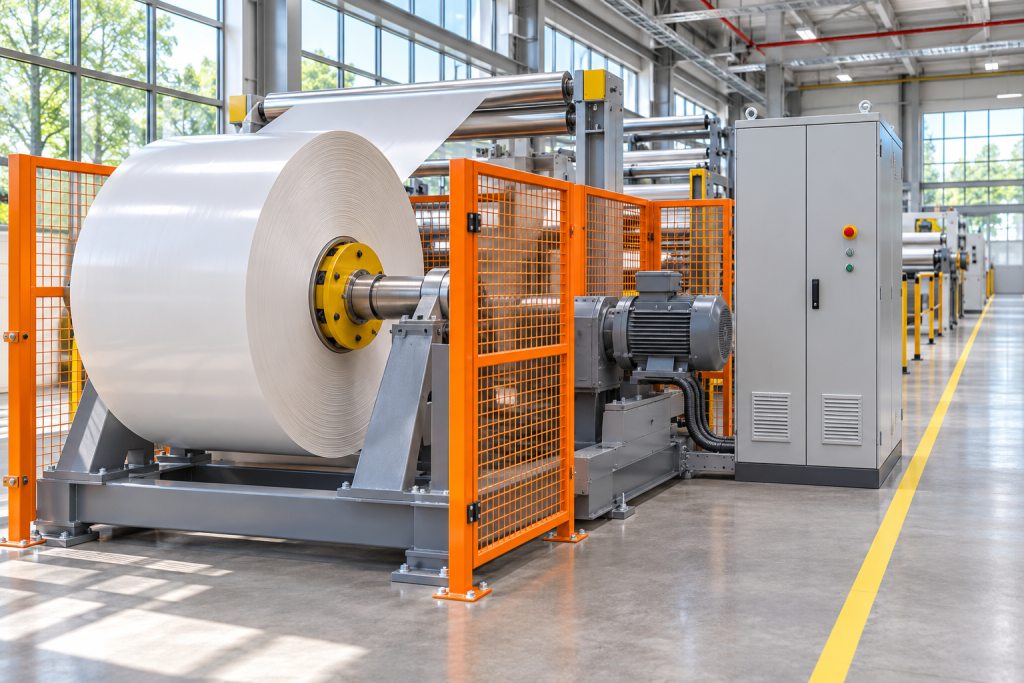
An unwinder may have long intervals of driven tension with energy flowing back toward the drive. A conveyor with frequent indexing may have short but repeated peaks during deceleration. A fan with a long run and one controlled stop presents another duty. For procurement, capture normal and worst credible cycles from the accepted machine design: speed, load condition, stopping frequency, duration and the interval available for recovery. A single stop time cannot describe sustained regeneration, nor can a light-load commissioning run stand in for the production duty.
Gather existing evidence before selecting a topology. Obtain the electrical drawing, device and option labels, restored parameter archive, and the prior acceptance record if available. Identify the component that accepted braking energy, its nominal duty and its relationship to the rest of the circuit. If drawings show one path and the cabinet inventory suggests another, leave the RFQ unresolved until the equipment owner reconciles them. An obsolete paper drawing is still useful evidence, but not a release decision on its own.
Separate supply regeneration from resistor dissipation
ABB describes its ACS880-11 as a regenerative single-drive family for cyclic or continuous braking applications. The ABB ACS880-11-021A-5 regenerative drive listing is an example for an installed machine whose design includes a supply return path. Review how the site’s supply and protection design handles that operating mode, including restrictions on any alternate source. Availability of a regenerative unit does not establish that a specific supply can receive energy under every operating condition.
A resistor arrangement instead lets the approved braking circuit dissipate the energy as heat. In a machine using an ACS880-01, ABB’s ACS880-01 family documentation is the starting point for confirming the order code and available options. A search result for the ABB ACS880-01-032A-3 frequency converter confirms a sourcing candidate, not that its frame, chopper, resistor or voltage class matches the application. Obtain the OEM documentation for the actual combination instead of inferring it from a family name.
Turn architecture into a purchase requirement
The RFQ should identify the motor supply, complete drive code, the braking path, enclosure and cooling arrangement, communications options and the accepted parameter baseline. Ask the vendor to quote the exact scope, including whether any external braking hardware is separately supplied. For a resistor system, thermal capacity over repeated cycles and its engineered protective arrangement belong in the design record. For a regenerative system, document the permitted line interface and its coordination with the actual plant system. Acceptance of either arrangement belongs to the site’s qualified engineering authority.
Do not use mechanical holding brake performance as evidence for the electrical energy path. Even when a machine has both, the functions differ. The machine may also have a defined response during a line loss, in which normal supply regeneration cannot simply be assumed. Record that requirement separately from normal process stops, and keep any protective or safety functions outside ordinary purchasing substitutions. An alternative should be identified as an engineered change with its own review, rather than marked interchangeable on a stock card.
Define what the release test proves
Also agree who signs off the supply and process evidence. The person who verifies the drive order code may not own the facility transformer, generator or enclosure heat balance. Put those reviews on the same release record and identify which assumptions are still open. This matters when an exact replacement and an alternative are quoted together: they can share a commercial deadline while remaining subject to different engineering decisions.
On an authorized test plan, compare the agreed repeat cycle against the permitted behavior and record the observations relevant to the chosen architecture. A result should state which duty, load condition and supply scenario the test represented. Note any scenario that could not be reproduced before release. A clean startup is a good checkpoint, but it does not establish the braking margin. For a DriveKNMS sourcing review, share the nameplate, project option list and a sanitized cycle description so the quote can distinguish like-for-like replacement from a proposed redesign.
Frequently asked questions
Can I choose the substitute from rated current alone?
No. Current is only one input. Check the actual voltage class, enclosure, drive options and braking architecture as well as the motor application. The two example order codes are not proposed as interchangeable, regardless of how similar their names appear.
Does a regenerative drive eliminate every need for a resistor?
Do not generalize from the family label. The specific machine’s approved design determines which devices and functions are required, including behavior when the normal supply path is unavailable. Retain separate evidence for the normal operating cycle and unusual supply conditions.
Will a longer stop always make a braking spare acceptable?
No. Process limits, safety requirements and the actual repeated duty still apply. Changes to stopping behavior require an authorized engineering review. They should not be used as an informal way to qualify a mismatched replacement on the production machine.
What matters when a vendor quotes the drive without options?
Compare the quote against the installed full code and confirm the responsibility for included and external hardware. Escalate missing chopper, enclosure, option or interface evidence before ordering. Preserve the documented baseline for whoever will receive and commission the replacement.
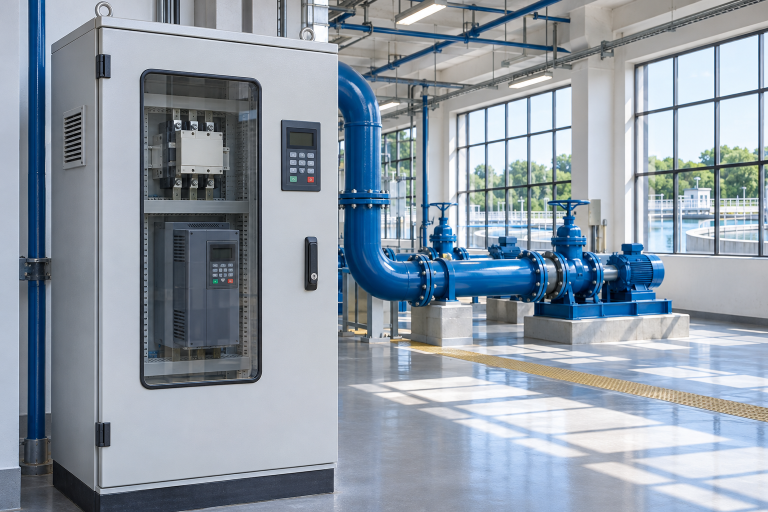
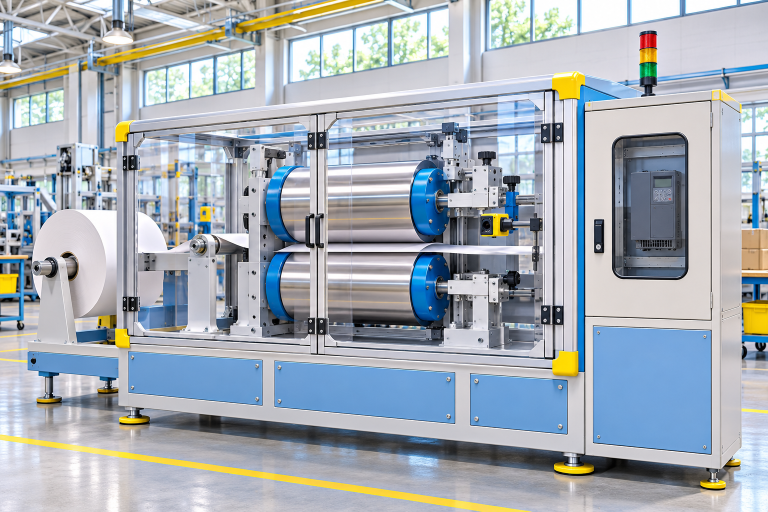
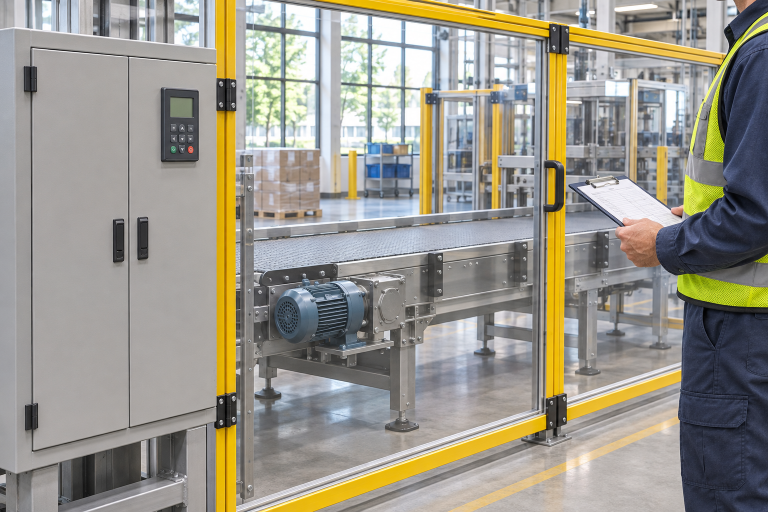
Image: AI-generated editorial illustration, not an exact product photograph or installation reference.
© 2026 DriveKNMS. All rights reserved. Official Website: https://driveknms.com Inquiry: sale@driveknms.com | WhatsApp/Tel: +86 18359293191