When an Altivar Process drive reports LCF, the display tells you where to start the investigation. It does not tell purchasing which assembly failed. The useful first step is to reconstruct the sequence from a run request to the condition the drive expected from its incoming-power arrangement. A quote based on the fault code alone can send a replacement drive to a site that still has the same unresolved contactor problem.
Identify the function the machine actually uses
Schneider Electric’s LCF guidance for ATV630 and ATV930 relates the event to the line contactor not closing within the defined time when using the relevant function. The note points to the contactor, its wiring and the time setting as items to review. It does not establish that an LCF code is an internal power-stage fault. First establish whether the documented application uses the function and what the installation expects to see.
Make a read-only inventory of the installed logic and power path from approved drawings and event records. Separate the request to run, the command to the contactor, evidence of physical response, and the resulting status at the drive or upstream controller. Time sources can be offset or log at different intervals. If the evidence does not establish their exact order, mark the sequence uncertain instead of manufacturing precision from adjacent timestamps.
Look for the first place the record breaks
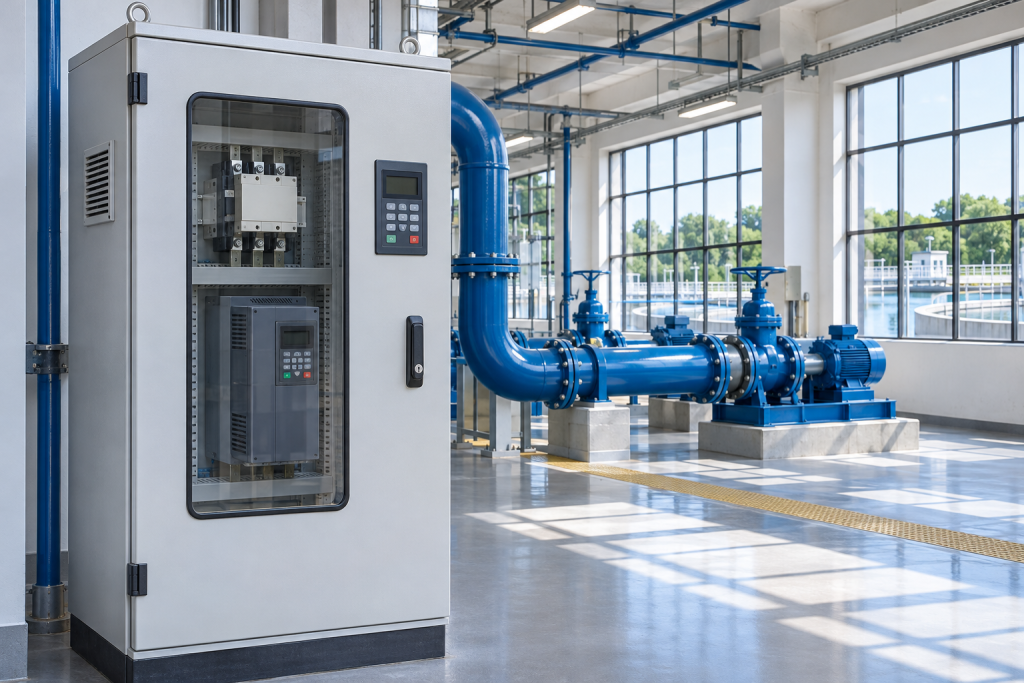
On a hypothetical pump skid, the operator requests a start and the PLC records a command, but no independent contactor indication follows. That could reflect a control-path problem, a device problem or simply missing observation. Compare events that share a timestamp reference and check what each recorded point actually means. A coil command is not a contact-state observation. A contact-state indication is not direct proof of acceptable mains voltage at the drive.
On a different installation, several drives may report trouble during a shared incoming-power interruption. Treat that pattern separately from a fault confined to one cabinet. Have the responsible electrical staff review the approved records and perform any necessary assessment using site procedures. Do not repeatedly command a start or defeat an interlock to gather a better fault log. The work package should identify who has authority to test and what must remain isolated.
Do not let a timeout edit substitute for an explanation
Record the installed time setting and its approved reference, but do not extend it just to suppress the symptom. A legitimate change needs a reason tied to the application and an engineering review of the effect on timing and restart behavior. If records show a contactor has slowed or feedback has become intermittent, a delay change can hide the symptom without restoring the intended response. Keep the baseline and timeline available for comparison before replacing or adjusting anything.
Ask for the manufacturer’s documentation appropriate to the exact drive and firmware. Start with the full label, including suffix, electrical rating and relevant options, not a screen photograph of the fault. The ATV630D37N4 drive listing and ATV930D37N4 drive listing identify different units. Their inclusion in the same manufacturer fault note does not imply that their hardware, parameter sets or installed applications are interchangeable.
Write a request that separates hardware from diagnosis
Define the procurement boundary: expected drive identity, any separately required contactor evidence or accessory scope, and the approved baseline for the machine. Before returning equipment, preserve an authorized event export and a record of which portions of the power and control path were actually checked. The team receiving a removed unit should be able to understand why it was removed and what a bench result could realistically confirm.
A fixture may verify the offered unit’s identity and a specified behavior under controlled conditions. It cannot reproduce every external dependency without a representative design and authorization. Keep any plant-only evidence as a separate release gate. If you request a DriveKNMS quote, send the installed label and a concise, redacted event sequence. State whether the inquiry is identification only, evaluation, or a replacement with defined acceptance checks.
Keep a clear distinction between facts and hypotheses
On the event worksheet, give each observation a source and an owner. An operator note that the machine did not start is valid timing context. A contactor inspection during an approved isolation is a different kind of evidence. A proposed theory that the drive never saw the expected supply is not an observed fact until the responsible team has checked it. Mark those entries differently so a supplier can see which findings are confirmed and which need follow-up.
If the fault appears only under a particular maintenance or automatic sequence, record the approved mode rather than trying to recreate it by live changes. The correct question is whether the plant can show the intended progression under the authorized procedure, not whether a different drive happens to start on a bench. Keep the existing drawings and fault evidence in the handover even if a hardware replacement is selected. The next technician still needs to know why it was selected.
Frequently asked questions
Does LCF prove the drive needs replacement?
No. Review the actual line-contact function and compare the command, response and drive evidence. A missing or late response can have more than one cause.
Is a line contactor the same as an output contactor?
No. This discussion concerns the incoming line function described by Schneider. Identify the devices on the approved drawing before applying any fault interpretation.
Should I increase the allowed time to clear the event?
Do not use a timing change as a shortcut. Preserve the existing setting and have qualified engineering evaluate any proposed change against the approved application.
What should I include with a spare-drive request?
Send the nameplate, exact variant and agreed scope. Include the event timeline and which external conditions were investigated rather than only the code.
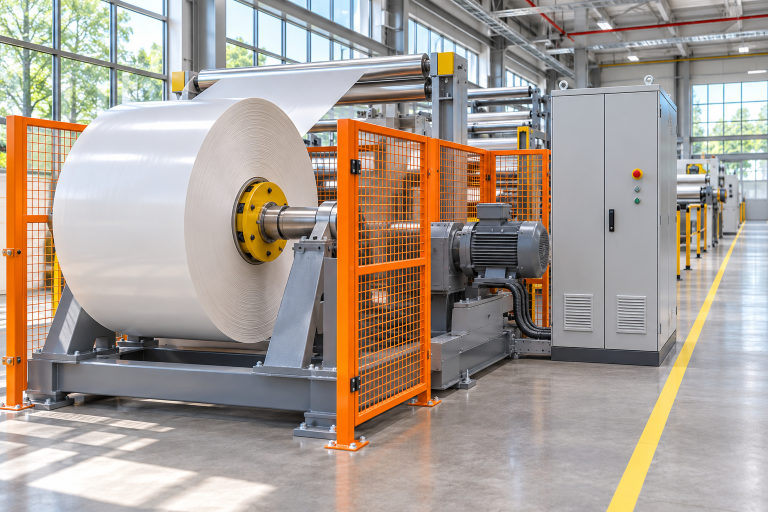
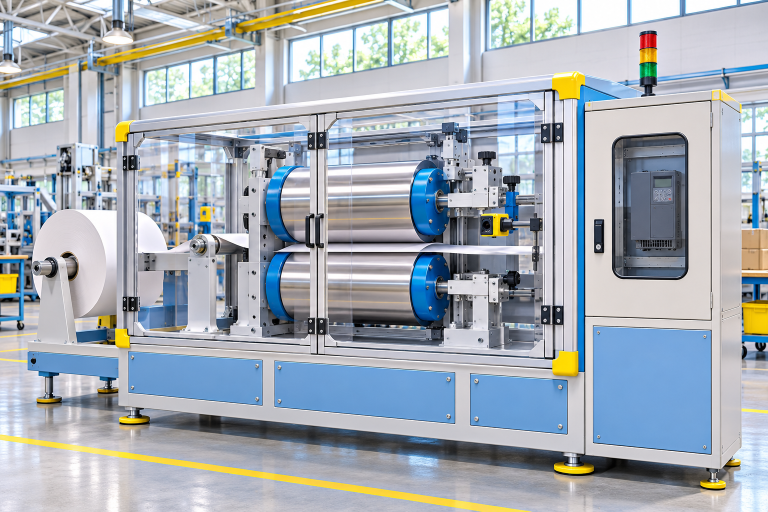
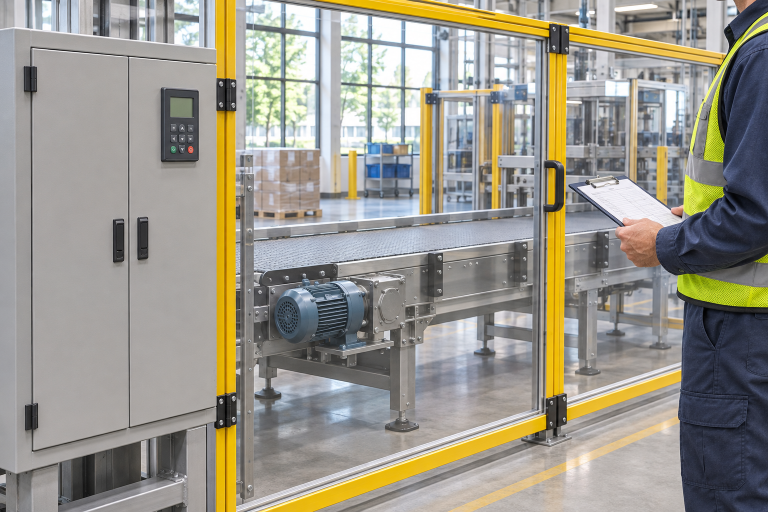
Image: AI-generated editorial illustration, not an exact product photograph or installation reference.
© 2026 DriveKNMS. All rights reserved. Official Website: https://driveknms.com Inquiry: sale@driveknms.com | WhatsApp/Tel: +86 18359293191