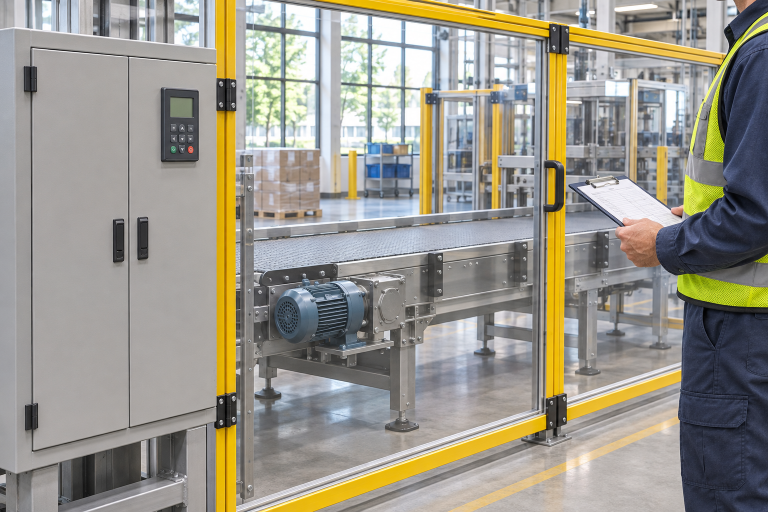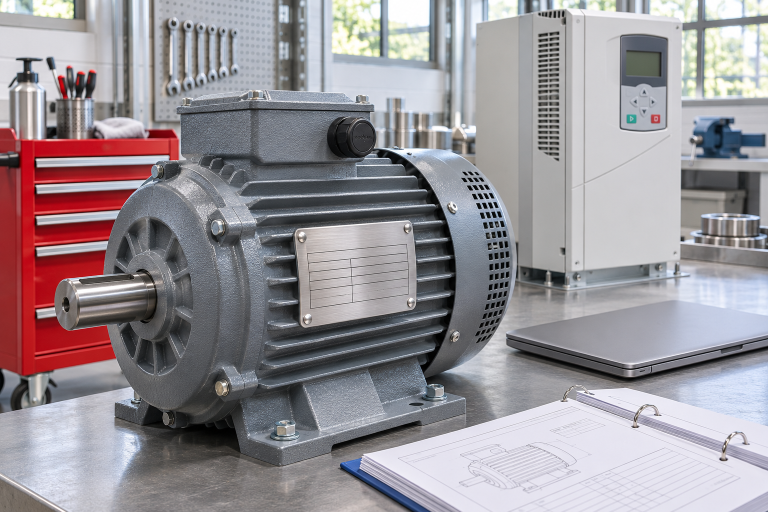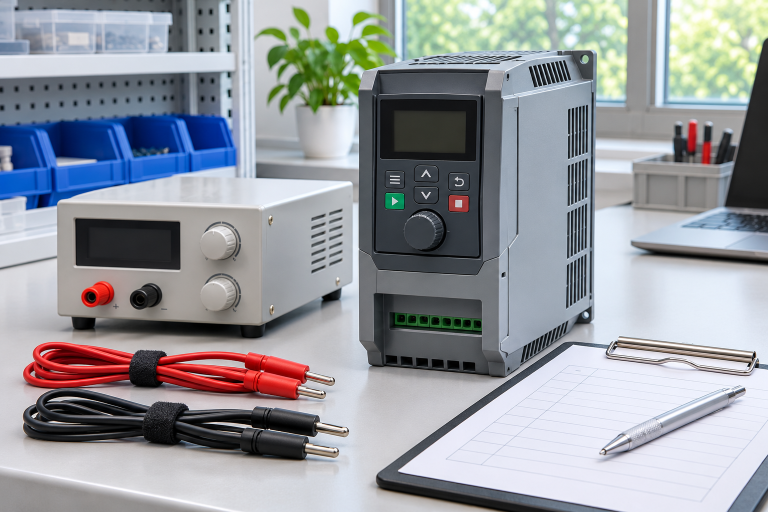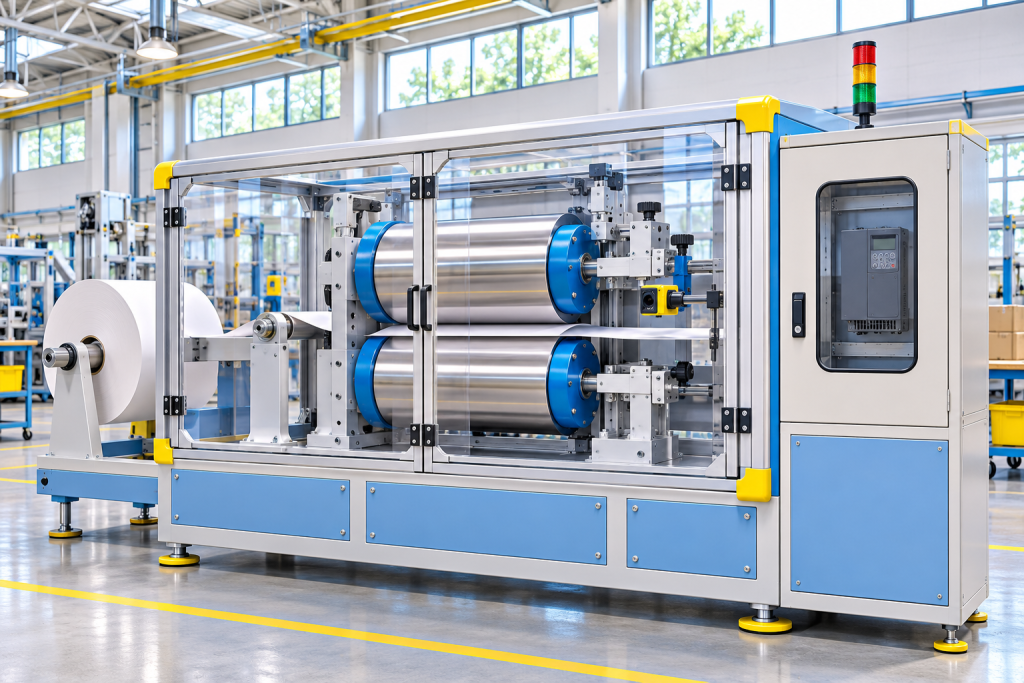
A MOVIDRIVE B spare can match the installed drive’s main electrical ratings and still lack the feature that makes the machine useful. An indexing or registration station may rely on a drive-resident application rather than on a simple speed command. When an MDX61B label ends in 0T, treat the technology suffix as a primary check on the order. It is not just another character after the frame and supply information.
Find out where the motion sequence is implemented
Before comparing offers, identify whether the PLC issues basic speed and direction requests, whether the drive handles positioning, or whether a coordinated function is split across the devices. Use the controlled sequence description, drive documentation and accepted behavior tests. An HMI label such as automatic positioning describes what an operator sees, not necessarily where the control logic and timing reside.
The SEW-EURODRIVE MDX60B/61B system manual distinguishes standard 00 and technology 0T variants for the drive sizes for which both are offered. Standard units already include IPOSplus positioning and sequence control. Technology versions add functions including electronic cam and internal synchronous operation, and the manufacturer documents application modules associated with that variant. The correct distinction is not that only 0T can perform any positioning. It is whether the installed application needs a function or package unavailable on the standard unit.
SEW’s Table Positioning application manual is an example of that boundary: it identifies the 0T application version as a requirement for that particular application module. It does not say every machine using an MDX61B uses Table Positioning. Look for the named application on the controlled asset record before building a spare specification around it.
Separate version, option hardware and application data
The MDX61B0110-5A3-4-0T drive listing gives procurement a useful exact-code starting point. It is not evidence that a particular offer contains the feedback and communication option cards required by the installed station. Ask for readable identification and the delivery scope, and compare the exact label and any options against the approved record. Give each additional part its own line item.
Next, inventory the application data and tools independently. The baseline should identify the application name, source or exported file where applicable, file revision, engineering tool and the person who can approve a restore. Record known dependencies on related axes, reference signals or upstream commands. A drive can bear the right technology marking while arriving with a different application or no project-specific data at all.
When a quotation lists only a power rating and family name, do not fill in the missing details from a photograph. Ask for confirmation of the 0T suffix, exact variant and label of the actual offered item. If the existing drive has a further option, such as a specified coating, confirm it separately rather than assuming the technology designation incorporates it. The manual describes coating separately from the 0T capability.
Define a behavior that the spare must reproduce
Consider a registration line where upstream rollers and a downstream station must maintain a defined relationship. A spare that responds reliably to generic start and speed requests on a disconnected test stand has not demonstrated that relationship. If the approved design depends on synchronous functions, document the reference, operating state and observed acceptance criteria in the site’s controlled plan. Do not enable those functions or change timing based on this article.
For planning, use three dispositions: hardware identity verified, application recovery verified in the agreed fixture, and machine behavior accepted after the approved test. An open check in one group should not disappear because another group passes. Keep the original parameter set and compare relevant outcomes with the accepted baseline. Use the site’s isolation, guarding and authorization procedures for any functional work.
Send the complete nameplate, option labels and a short description of the motion dependency to the DriveKNMS sourcing team. State whether you are looking for identified hardware only or for a separately agreed bench evaluation. Any proposal to change the drive technology version belongs with the controls owner rather than being approved as an urgent like-for-like purchase.
Put the missing information on the outage plan
A useful pre-outage worksheet has one line for the cabinet hardware, one for the motion function, and one for the dependency that has not been demonstrated. For the registration example, the unproven dependency could be the approved reference source after the upstream equipment changes operating mode. Put a named owner against that item. That makes it possible to buy verified hardware today while keeping the release decision tied to the actual machine evidence.
Retain documentary evidence in a form a second technician can read without loading an unknown drive. A nameplate photo, an approved project identification and a list of expected options are more useful than a password-protected export with no owner or inspection history. If a like-for-like baseline cannot be opened in advance, record an engineering action before planning the outage around it. It is better to acknowledge a gap than to discover that the right suffix solved only part of the recovery problem.
Frequently asked questions
Does 00 mean the standard drive cannot position a motor?
No. The manufacturer documents standard IPOSplus capabilities. Check the exact application requirement rather than using the suffix as a general positioning label.
Does 0T mean a specific application is already installed?
No. It identifies the technology variant. Confirm the application, parameter record and delivery scope separately.
Is an identical electrical rating enough for substitution?
No. The required motion features, option cards, feedback and application recovery must also agree with the approved design.
What should be on the RFQ besides the nameplate?
Include option identities, the required technology feature and the scope of evidence needed. Keep machine-specific acceptance with the responsible site team.
Image: AI-generated editorial illustration, not an exact product photograph or installation reference.
© 2026 DriveKNMS. All rights reserved. Official Website: https://driveknms.com Inquiry: sale@driveknms.com | WhatsApp/Tel: +86 18359293191