
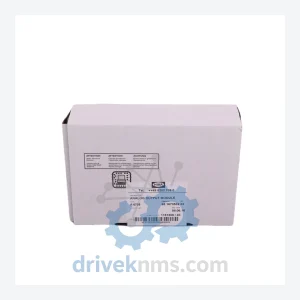
HIMA F-Series Modules F6705 2-Fold Analog Output Module
HIMA F6705 is listed for PLC Modules RFQ review. Confirm quantity, condition and destination before quotation.
RFQ-ready industrial model
Model: F6217
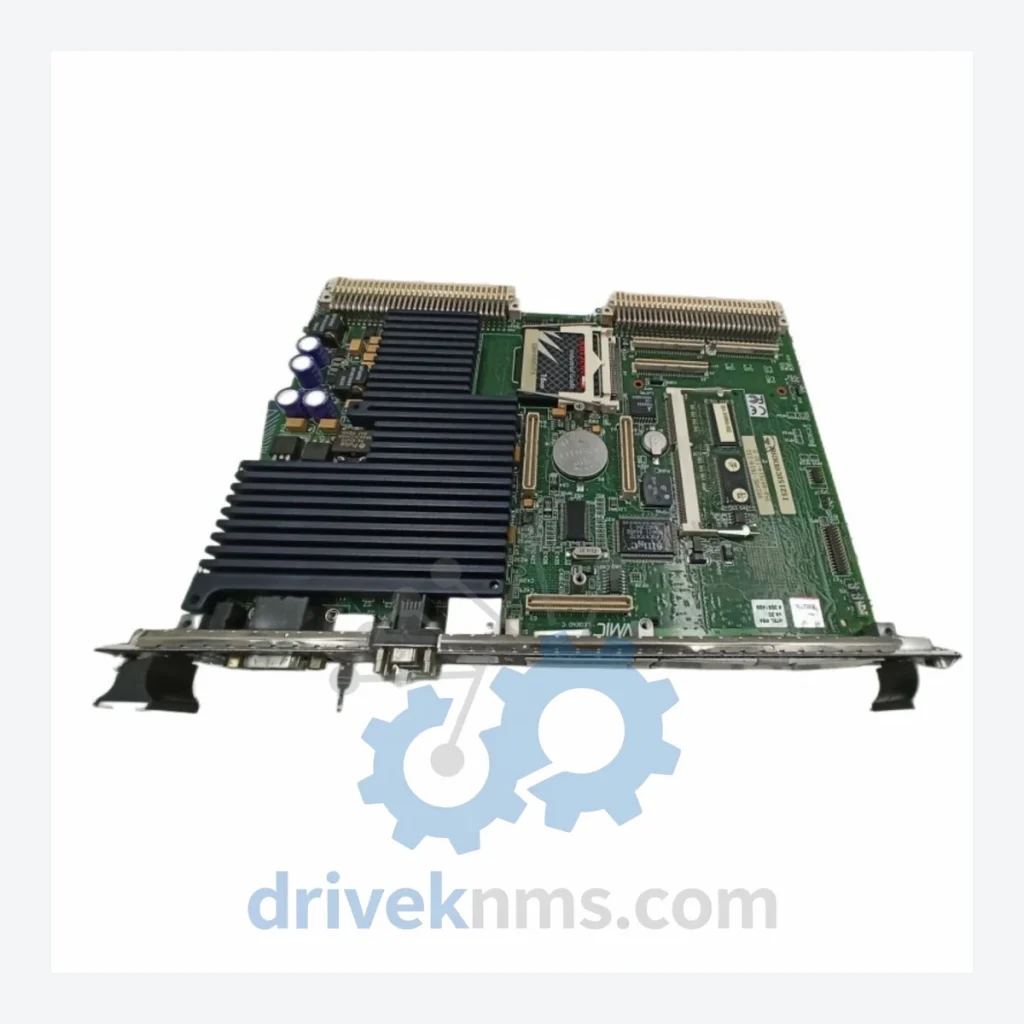
Product Overview
Commercial availability is handled through direct RFQ, model verification and export-oriented follow-up rather than public cart checkout.
Datasheet Preview
Use attached product manuals when available. If the manual is not public yet, request the full file directly through RFQ.
Commercial Path
Product pages on DRIVEKNMS are designed to verify model, brand and series first, then move the buyer into one clean quotation path.
Technical Dossier
DriveKNMS maintains sourced inventory of discontinued industrial control components, including the HIMA F6217. If you are managing aging HIMA safety systems and need to extend their operational life without triggering a system-wide overhaul, this is the component you need.
Note: Specific electrical parameters (voltage range, channel count, signal type) are not published here to prevent inaccurate data. Confirmed specifications are provided upon request with official datasheet reference.
HIMA's F Series safety PLCs were deployed extensively across oil & gas, chemical processing, and power generation facilities throughout the 1990s and 2000s. These systems were engineered for decades of service — and many are still performing their safety functions reliably today. The problem is not the platform's capability. The problem is component availability.
The F6217 analog input module sits at the interface between field instrumentation and the safety logic solver. It converts physical process signals — pressure, temperature, flow — into digital values the safety controller can act upon. When this module degrades or fails, the entire measurement loop it serves becomes unavailable. In a SIL-rated safety loop, that is not a maintenance event. That is a safety impairment that demands immediate resolution.
Facilities that have not pre-positioned spare F6217 modules face a narrow set of options: source from the secondary market under time pressure, accept a degraded safety posture while sourcing, or initiate an emergency system migration. The first option is the only one that preserves both safety integrity and budget. DriveKNMS specializes in exactly this sourcing scenario — locating verified, tested units from global secondary channels before the pressure of a live failure forces a worse decision.
The decision to retire a HIMA F Series safety system is rarely driven by the system's inability to perform. It is driven by the inability to maintain it. Component obsolescence — not functional failure — is what forces premature system retirement. This is a solvable problem, and the solution does not require a large capital budget.
1. Conduct a critical spares audit. Map every module type in your HIMA F Series rack. Identify which part numbers are discontinued and which have no available alternatives. The F6217 is one such module — there is no modern drop-in equivalent that does not require re-engineering the I/O mapping and re-validating the safety function.
2. Pre-position strategic inventory. For modules with no active production and no functional equivalent, holding 1–2 verified spare units eliminates the single largest risk to system continuity. The carrying cost of a spare module is negligible compared to the cost of an unplanned outage or an emergency migration project.
4. Document firmware and configuration baselines. For safety systems, configuration documentation is as critical as hardware availability. Ensure that module configuration files, firmware versions, and rack layouts are archived and accessible. This eliminates re-commissioning risk when a module is replaced.
5. Schedule proactive module inspection. Analog input modules in legacy systems are susceptible to electrolytic capacitor degradation, connector oxidation, and firmware drift. A proactive inspection cycle — not reactive replacement — is the difference between a planned maintenance event and an emergency shutdown.
Facilities that implement this five-point strategy consistently report 5–10 additional years of reliable operation from legacy safety systems that would otherwise have been retired on a capital replacement schedule. The investment is modest. The return — in deferred capital expenditure and maintained production continuity — is substantial.
Every F6217 unit sourced by DriveKNMS passes a structured 5-step quality verification process before dispatch:
Q: Can you source the F6217 if it is not available for RFQ review?
A: Yes. DriveKNMS operates an active global sourcing network. If the F6217 is not in current inventory, we can initiate a sourcing request. Contact us with your timeline and quantity requirement.
Continue The Model Path
Move from this exact model into the matching system hub, brand archive, model-family archive or lifecycle sourcing route before sending a final RFQ list.
Related Paths
HIMA F6705 is listed for PLC Modules RFQ review. Confirm quantity, condition and destination before quotation.
HIMA F3237 is listed for PLC Modules RFQ review. Confirm quantity, condition and destination before quotation.
HIMA F3221 is listed for HIMatrix RFQ review. Confirm quantity, condition and destination before quotation.