
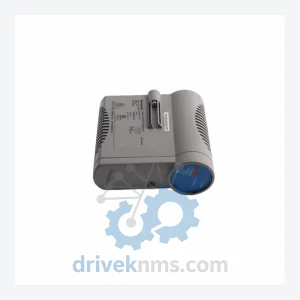
Honeywell Experion PKS C300 Modules: CC-PAON01, CC-PAIN01, CC-PDIL01
Honeywell CC-PAON01 CC-PAIN01 CC-PDIL01 is listed for Experion PKS C300 RFQ review. Confirm quantity, condition and destination before quotation.
RFQ-ready industrial model
Model: CC-HCN911 51307206-175
Product Overview
Commercial availability is handled through direct RFQ, model verification and export-oriented follow-up rather than public cart checkout.
Datasheet Preview
Use attached product manuals when available. If the manual is not public yet, request the full file directly through RFQ.
Commercial Path
Product pages on DRIVEKNMS are designed to verify model, brand and series first, then move the buyer into one clean quotation path.
Technical Dossier
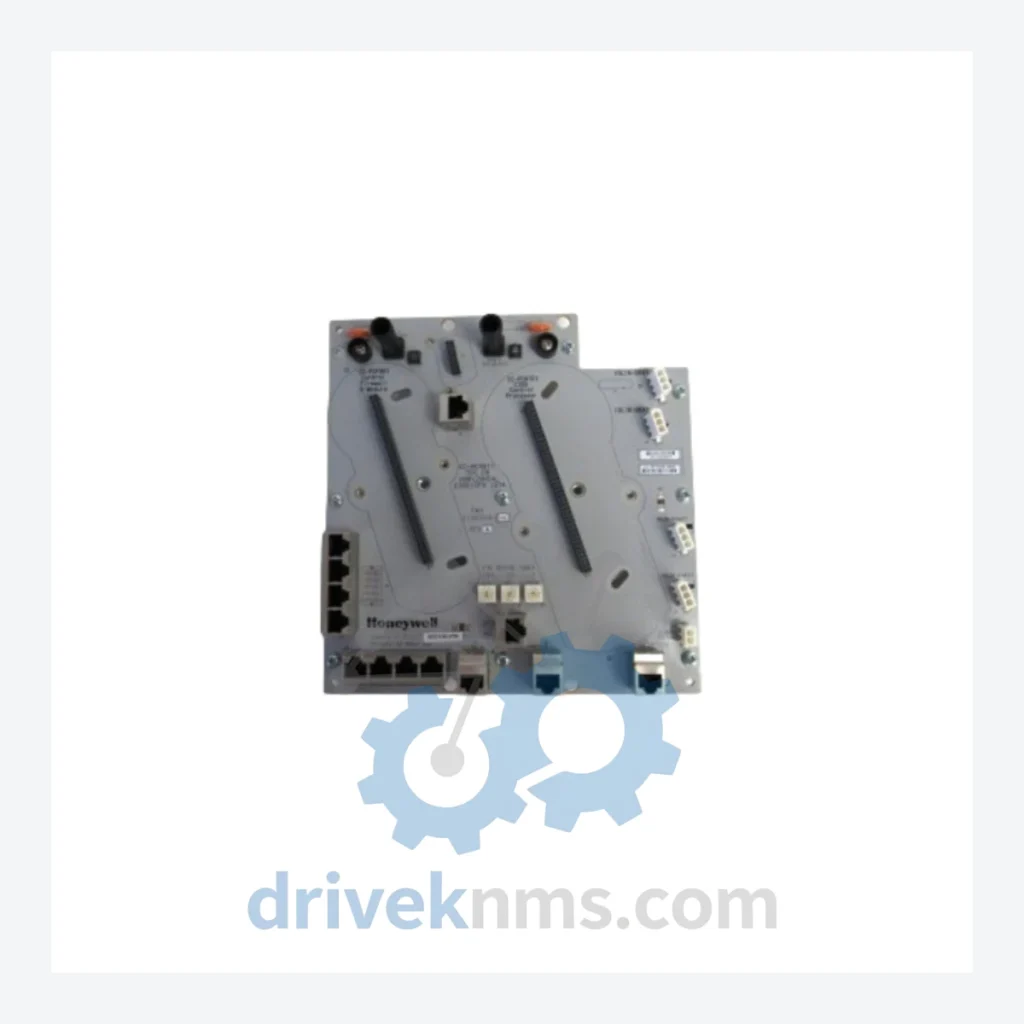
The CC-HCN911 (P/N: 51307206-175) is a C300 Controller Module — the central processing unit of the C300 node — responsible for executing control strategies, managing I/O communication over the FTE (Fault Tolerant Ethernet) network, and interfacing with the Experion PKS server infrastructure. Its role in the control node is non-redundant in function: without a functioning CC-HCN911, the entire C300 node ceases to execute control.
Honeywell introduced the Experion PKS platform in 2001 as a successor to the TDC 3000 and PlantScape systems, with the C300 Controller becoming the standard process controller node from approximately 2004 onward. The C300 replaced the earlier C200 and C200E controllers, offering expanded memory, higher I/O capacity per node, and native FTE dual-network redundancy.
Over its lifecycle, the C300 platform has undergone several firmware generations — from early R100/R200 releases through R400, R500, and into the R600+ era — each introducing changes to control execution rates, redundancy switchover behavior, and Series C I/O module compatibility. Facilities running older firmware revisions face compatibility constraints when sourcing replacement modules, as hardware revision levels and firmware must align. This is a critical sourcing consideration: a CC-HCN911 with an incompatible hardware revision or firmware baseline cannot simply be swapped in without engineering validation.
The C300 platform is currently in a mature/sustaining lifecycle phase. Honeywell continues to support it under long-term service agreements, but new greenfield deployments increasingly use the C300E or migrate toward the Experion PKS Highly Integrated Virtual Environment (HIVE) architecture. For the installed base — which numbers in the thousands of nodes globally — spare parts availability is a multi-decade operational requirement.
The following SKUs represent the core module population of a standard C300 node deployment. All models listed are genuine Honeywell Experion PKS Series C components.
Controllers
Series C I/O Modules (CIOM / CHARM-based)
Communication & Network Modules
Power Supply Modules
DriveKNMS maintains sourced inventory of C300 modules including CC-HCN911, CC-HCN901, and associated I/O and power modules. Each unit is inspected prior to shipment. Hardware revision and firmware version documentation is provided where available, enabling the customer's engineering team to validate compatibility before installation. We do not fabricate specifications or misrepresent condition grades.
For facilities managing a C300 installed base, a structured spare parts holding strategy — maintaining at minimum one cold-standby CC-HCN911 per site — is the lowest-cost insurance against a multi-week production outage. The cost of a single spare controller module is a fraction of one day of lost production at any mid-scale refinery or chemical plant.
C300 modules, particularly controller modules and FTE network interfaces, involve complex backplane communication protocols and dual-network arbitration logic. Standard power-on testing is insufficient to validate these functions. DriveKNMS applies the following inspection protocol to C300 modules:
Buyers are advised that full functional validation of a C300 controller module requires integration into a live or simulated C300 node environment. DriveKNMS discloses all known findings and does not warrant modules beyond the inspection scope described above.
Continue The Model Path
Move from this exact model into the matching system hub, brand archive, model-family archive or lifecycle sourcing route before sending a final RFQ list.
Related Paths
Honeywell CC-PAON01 CC-PAIN01 CC-PDIL01 is listed for Experion PKS C300 RFQ review. Confirm quantity, condition and destination before quotation.
Honeywell MU-FOED02 51197564-200 is listed for DCS Cards RFQ review. Confirm quantity, condition and destination before quotation.
Honeywell MC-TAMT03 51309223-175 is listed for DCS Cards RFQ review. Confirm quantity, condition and destination before quotation.