
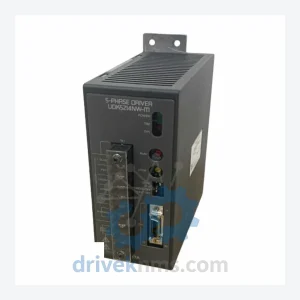
Oriental Motor UDK5214NW-M Stepper Motor Driver – Obsolete CVK Series Spare Part
Oriental Motor UDK5214NW-M is listed for Servo Drives RFQ review. Confirm quantity, condition and destination before quotation.
RFQ-ready industrial model
Model: D207F-A1-1 ISE R 150 SINGLE 518-810617-001
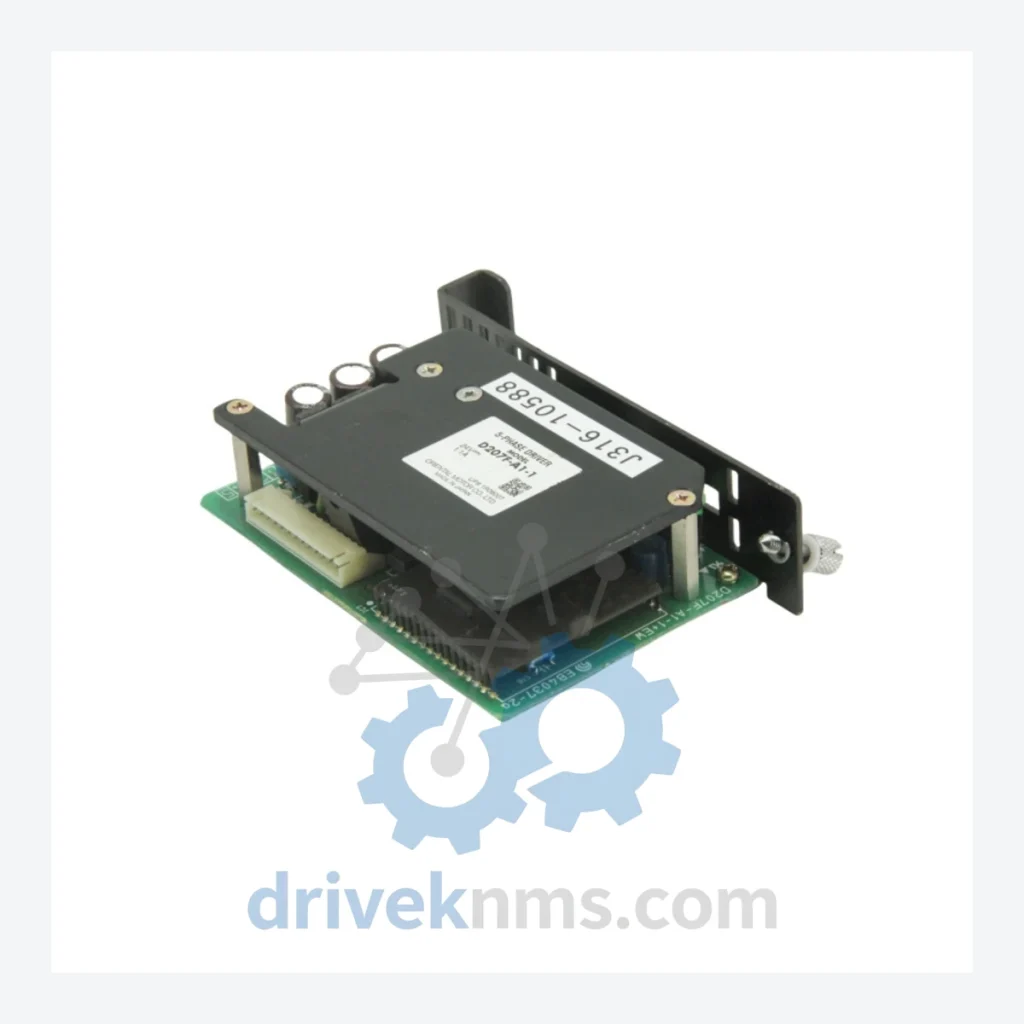
Product Overview
Commercial availability is handled through direct RFQ, model verification and export-oriented follow-up rather than public cart checkout.
Datasheet Preview
Use attached product manuals when available. If the manual is not public yet, request the full file directly through RFQ.
Commercial Path
Product pages on DRIVEKNMS are designed to verify model, brand and series first, then move the buyer into one clean quotation path.
Technical Dossier
DriveKNMS maintains sourced inventory of hard-to-find industrial automation components precisely for this scenario. Each unit passes through a structured inspection protocol before dispatch.
RFQ support for obsolete parts: Send the model number, required quantity and destination so DriveKNMS can confirm sourcing options before quotation.
| Parameter | Detail |
|---|---|
| Manufacturer | Oriental Motor Co., Ltd. |
| Part Number | D207F-A1-1 ISE R 150 SINGLE |
| Reference / BOM Code | 518-810617-001 |
| Component Type | Stepper Motor Driver Card |
| Series | D207F (ISE Series) |
| Country of Origin | Japan |
| Production Status | Discontinued / Obsolete – No longer manufactured |
| Typical System Compatibility | Oriental Motor ISE-series stepper motor controllers; legacy multi-axis motion control panels |
Note: Electrical parameters such as input voltage range, current rating, and step resolution are not published here to avoid inaccuracy. Confirmed specifications are provided upon request with supporting documentation.
The D207F-A1-1 driver card was designed as an integral component within Oriental Motor's ISE-series motion control architecture. In that system, the driver card handles the pulse-width modulation and current regulation that determines step accuracy and motor torque. There is no generic substitute that can be dropped in without risking step loss, resonance instability, or — in worst cases — mechanical damage to the driven axis.
Facilities that built production processes around this platform in the 1990s and early 2000s now face a structural problem: the OEM no longer supports the hardware, yet the machines themselves remain mechanically sound and fully depreciated. A full migration to a current-generation motion controller requires new wiring, new programming, re-validation of motion profiles, and in regulated industries, re-certification of the production process. Conservative estimates for such a retrofit on a single axis run into tens of thousands of dollars. For a multi-axis system, the figure climbs further.
The practical alternative — one that experienced maintenance engineers have relied on for decades — is strategic spare part stockpiling. A verified replacement driver card, held in climate-controlled storage, converts an unplanned production stoppage into a scheduled 30-minute swap. The capital cost is a rounding error compared to the retrofit budget.
This is the core logic behind asset protection through obsolete part sourcing: you are not buying a component, you are buying operational continuity for a system that still earns its keep on the floor.
For plant managers under pressure to defer capital expenditure on aging automation systems, the following maintenance framework has proven effective across discrete manufacturing, packaging, and semiconductor handling environments:
1. Failure Mode Mapping: Identify the two or three components in your legacy motion control system that, if they fail, would force a full system replacement rather than a repair. Driver cards of this type are almost always on that list. They are application-specific, they carry no standard replacement, and their failure is typically sudden rather than gradual.
Q: How are RFQ terms confirmed?
A: Quantity, required condition, documentation needs, destination and sourcing route are confirmed during RFQ review before quotation.
5. Supplier Qualification: Not all secondary market sources apply consistent inspection standards to obsolete electronics. Establish a relationship with a supplier — such as DriveKNMS — that applies a documented QA process and can provide traceability records.
Applied consistently, this framework extends the productive life of a legacy automation asset by five to ten years without requiring engineering resources or capital approval beyond the cost of the parts themselves.
Every D207F-A1-1 driver card dispatched by DriveKNMS passes through a five-stage inspection process developed specifically for legacy industrial electronics:
Stage 1 – Visual and Mechanical Inspection: Board surface examined for physical damage, burn marks, delamination, and solder joint integrity under magnification.
Stage 2 – Electrolytic Capacitor Assessment: Electrolytic capacitors are the primary age-related failure point in driver cards of this era. Each capacitor is checked for bulging, electrolyte leakage, and ESR deviation. Units with suspect capacitors are either recapped or rejected.
Stage 4 – Firmware Version Verification: Where firmware version markings are present on the board, these are recorded and cross-referenced against known revision history to confirm the unit matches the customer's system requirements.
Stage 5 – Functional Verification: Units are powered and tested against baseline operational parameters before packaging.
Drop-in Replacement: The D207F-A1-1 is a direct physical and electrical replacement for the original card position. No rewiring, no new cable harnesses.
No Reprogramming Required: The driver card operates on hardware-configured parameters (DIP switches, onboard trimmers). Provided the replacement unit matches the original revision, no software intervention is needed at the controller level.
Avoids Engineering Retrofit Costs: Substituting this card preserves the existing motion control program, axis calibration data, and production recipes. There is no re-validation burden.
Q: How do I know the unit is genuine and not a counterfeit?
A: All units sourced by DriveKNMS are inspected for manufacturer markings, board revision codes, and component consistency. We do not source from unverified brokers. Traceability documentation is provided on request.
Q: Can you support multi-unit or repeat RFQ requests?
A: Yes. Send the model list, target quantity and destination so DRIVEKNMS can review sourcing options and quote the requirement as a project RFQ.
Continue The Model Path
Move from this exact model into the matching system hub, brand archive, model-family archive or lifecycle sourcing route before sending a final RFQ list.
Related Paths
Oriental Motor UDK5214NW-M is listed for Servo Drives RFQ review. Confirm quantity, condition and destination before quotation.
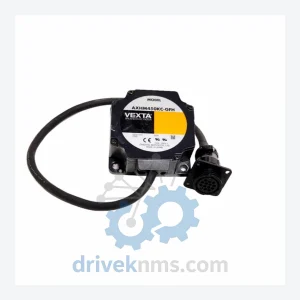
Oriental Motor AXHM450KC-GFH is listed for VEXTA AXHM Series RFQ review. Confirm quantity, condition and destination before quotation.
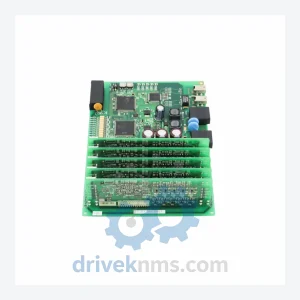
Oriental Motor A7892-0407Y5C-1 3870-02203 CDN127R-9 is listed for Controller Cards RFQ review. Confirm quantity, condition and destination before quotation.