
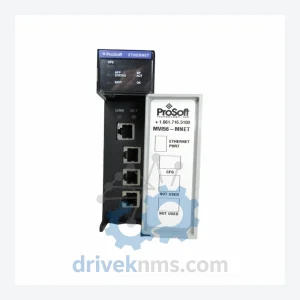
ProSoft Technology MVI56-MNET TCP/IP Interface Module
ProSoft Technology MVI56-MNET is listed for Controller Cards RFQ review. Confirm quantity, condition and destination before quotation.
RFQ-ready industrial model
Model: MVI69E-MBTCP
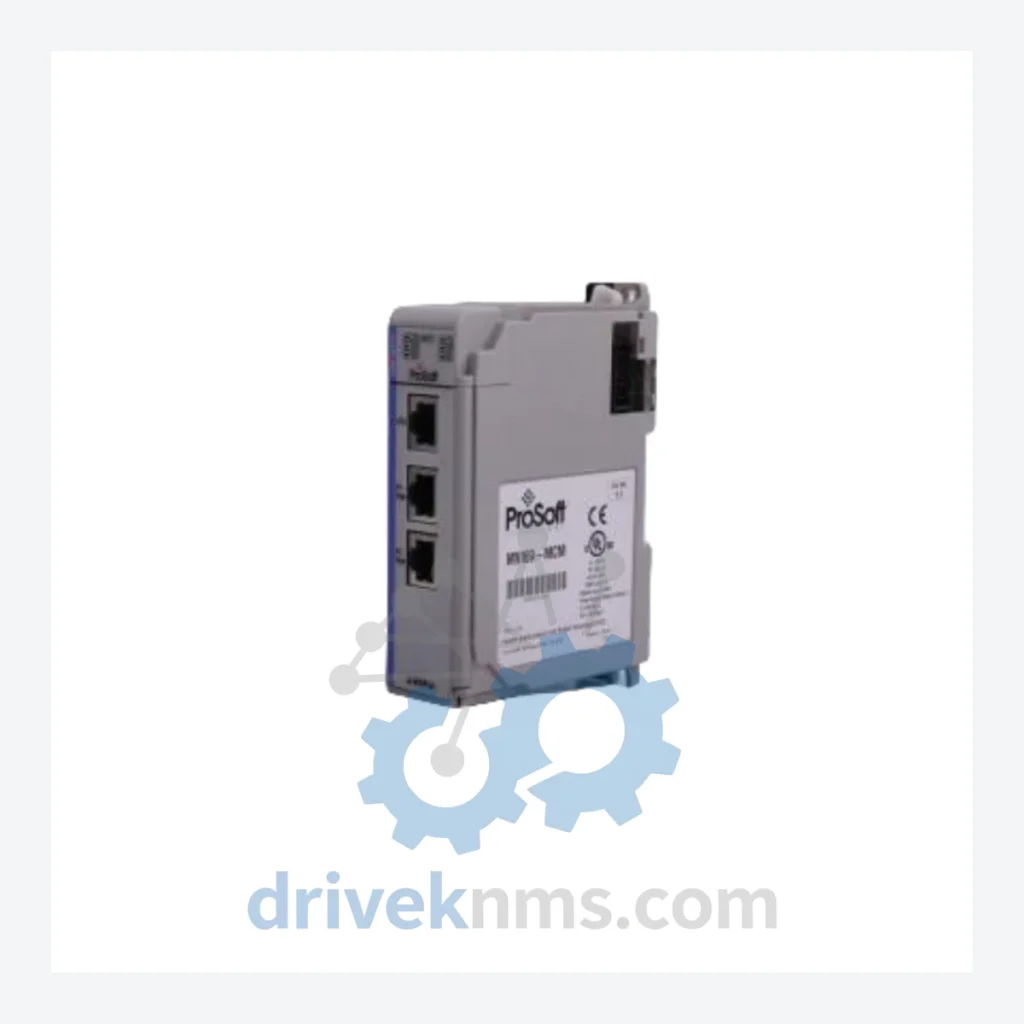
Product Overview
Commercial availability is handled through direct RFQ, model verification and export-oriented follow-up rather than public cart checkout.
Datasheet Preview
Use attached product manuals when available. If the manual is not public yet, request the full file directly through RFQ.
Commercial Path
Product pages on DRIVEKNMS are designed to verify model, brand and series first, then move the buyer into one clean quotation path.
Technical Dossier
The ProSoft Technology MVI69E series represents one of the most widely deployed communication module platforms in global heavy industry. Designed for direct installation into Allen-Bradley CompactLogix (1769) backplanes, MVI69E modules are found in continuous-process environments including petrochemical refineries, offshore oil & gas platforms, nuclear auxiliary systems, pulp and paper mills, and large-scale water treatment facilities. The series provides protocol bridging between the CompactLogix controller and field devices or supervisory networks, functioning as an in-rack gateway without requiring external hardware. Its compact form factor and deterministic data transfer latency have made it a standard specification item in DCS migration projects and brownfield automation upgrades worldwide.
The MVI69E series is the second-generation successor to the original MVI69 platform. The first-generation MVI69 modules, introduced in the mid-2000s, used a parallel backplane interface and required ladder logic pass-through blocks for data exchange with the CompactLogix processor. While functional, this architecture imposed CPU overhead and limited throughput on high-scan-rate applications.
The MVI69E generation introduced a fundamentally redesigned backplane communication engine. The "E" designation denotes an Enhanced backplane interface that uses a dedicated co-processor to manage all data transfers independently of the main ladder scan cycle. This eliminates the pass-through block requirement and reduces processor utilization by up to 40% in high-volume polling applications. The MVI69E modules are backward-compatible with existing MVI69 wiring and panel cutouts but are not firmware-interchangeable with first-generation units.
From a compatibility standpoint, MVI69E modules support CompactLogix L1x, L2x, L3x, L4x, and L5x processors running Logix firmware v16 and above. Integration with Studio 5000 Logix Designer is handled via Add-On Instructions (AOIs) and pre-built function blocks distributed with each module's Configuration and Debug Software (CDS). Legacy RSLogix 5000 projects can be migrated using ProSoft's published AOI conversion utilities. As the CompactLogix platform itself has matured, MVI69E modules have remained in active production, though several protocol-specific variants have transitioned to a long-term availability (LTA) status, signaling the importance of strategic spare parts stocking for maintenance departments.
The following catalog covers verified MVI69E series SKUs, organized by protocol and functional category. Each entry reflects the module's primary communication role within a CompactLogix system.
Modbus Protocol Modules
PROFIBUS Modules
DNP3 Protocol Modules
IEC 60870 Modules
EtherNet/IP & Industrial Ethernet Modules
Serial & Legacy Protocol Modules
Several MVI69E variants, particularly those targeting legacy serial protocols such as MVI69E-DF1 and MVI69E-GSC, have entered long-term availability or limited-production status as the broader industrial automation market transitions toward EtherNet/IP-native architectures. For facilities operating CompactLogix systems with 10–20 year maintenance horizons — common in nuclear auxiliary, chemical processing, and municipal water infrastructure — the ability to source verified replacement modules is a critical operational requirement.
MVI69E modules present specific test challenges due to their dual-interface architecture: the backplane side must be validated against CompactLogix communication timing specifications, while the field-side port must be verified against the target protocol's electrical and timing requirements. DriveKNMS applies a structured test protocol to all MVI69E units prior to shipment.
Backplane interface validation is performed using a live CompactLogix test rack. Each module is installed, powered, and verified to establish backplane communication within the specified initialization window. The module's internal co-processor is confirmed to be executing firmware correctly by monitoring the backplane data exchange counters via the module's diagnostic registers. Units that fail to achieve stable backplane communication within three power cycles are rejected.
Continue The Model Path
Move from this exact model into the matching system hub, brand archive, model-family archive or lifecycle sourcing route before sending a final RFQ list.
Related Paths
ProSoft Technology MVI56-MNET is listed for Controller Cards RFQ review. Confirm quantity, condition and destination before quotation.
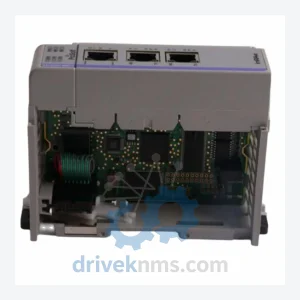
ProSoft Technology MVI69E-MBS is listed for Controller Cards RFQ review. Confirm quantity, condition and destination before quotation.
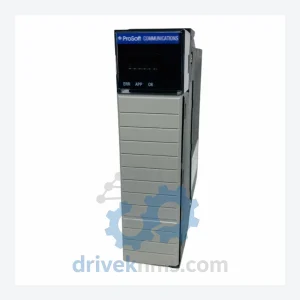
ProSoft Technology MVI56E-MCM is listed for Controller Cards RFQ review. Confirm quantity, condition and destination before quotation.