
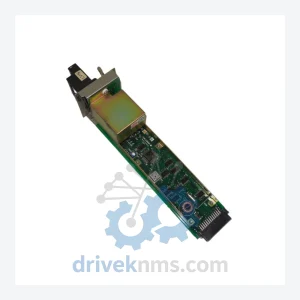
YOKOGAWA AIP512 RIO Bus Connection Module – CENTUM Series
Yokogawa AIP512 is listed for CENTUM Series RFQ review. Confirm quantity, condition and destination before quotation.
RFQ-ready industrial model
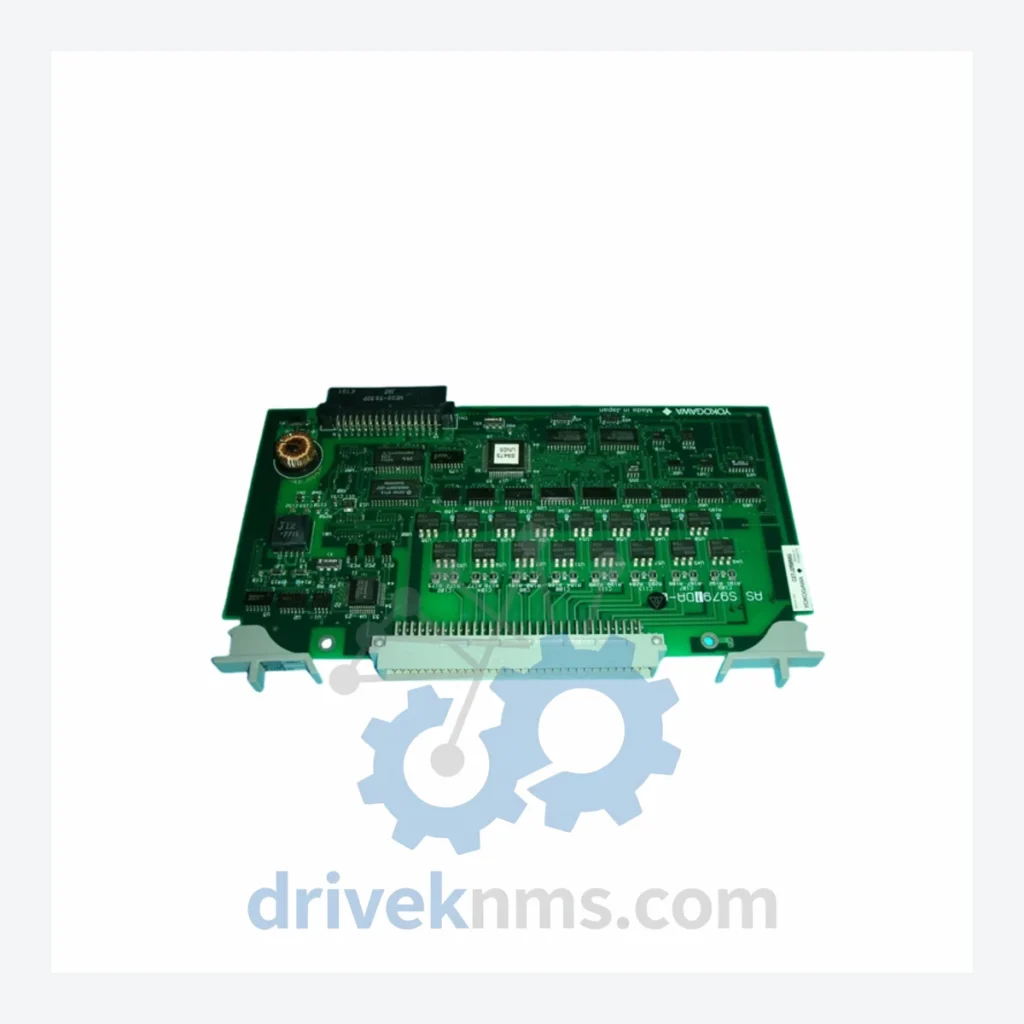
Model: AMM21-S3
Product Overview
Commercial availability is handled through direct RFQ, model verification and export-oriented follow-up rather than public cart checkout.
Datasheet Preview
Use attached product manuals when available. If the manual is not public yet, request the full file directly through RFQ.
Commercial Path
Product pages on DRIVEKNMS are designed to verify model, brand and series first, then move the buyer into one clean quotation path.
Technical Dossier
When a Yokogawa AMM21-S3 module fails in an operating plant, the consequences extend far beyond a line stoppage. For facilities running legacy Yokogawa CENTUM CS or CENTUM VP distributed control systems, this I/O module is a load-bearing component of the control architecture. Replacing it is not a matter of ordering a substitute — it requires exact hardware compatibility, firmware alignment, and zero tolerance for signal mismatch. A forced system upgrade triggered by a single unavailable module can cost a facility upward of several million USD in engineering, commissioning, production loss, and revalidation. DriveKNMS maintains RFQ-reviewed sourcing status of the AMM21-S3 specifically to prevent that outcome.
RFQ support for obsolete parts: Send the model number, required quantity and destination so DriveKNMS can confirm sourcing options before quotation.
| Part Number | AMM21-S3 |
|---|---|
| Manufacturer | Yokogawa Electric Corporation |
| Module Type | Analog/Digital Mixed I/O Module |
| Compatible System | Yokogawa CENTUM CS / CENTUM VP DCS |
| Country of Origin | Japan |
| Product Status | Discontinued / Obsolete |
| Condition Available | New surplus; Refurbished (tested) |
Note: Electrical parameters such as channel count, signal range, and power ratings are model-specific and will be confirmed upon inquiry. DriveKNMS does not publish unverified specifications.
The Yokogawa CENTUM platform has served process industries — refining, petrochemical, power generation, and pharmaceuticals — for decades. Its reliability is precisely why so many facilities continue to operate it well past the manufacturer's recommended lifecycle. The AMM21-S3 sits at the intersection of field instrumentation and the control layer: it translates physical process signals into data the DCS can act on. There is no generic substitute. Swapping in a non-compatible module requires I/O mapping reconfiguration, loop testing, and in regulated industries, full revalidation of the affected control loops.
DriveKNMS applies a five-step quality process to all obsolete and refurbished DCS components before dispatch review:
The decision to retire a control system is rarely driven by the system's inability to perform — it is driven by the inability to source replacement parts when something fails. A CENTUM installation that has operated reliably for 20 years does not become unreliable overnight. What changes is the risk profile: as spare parts become scarce, a single module failure can force an unplanned shutdown with no recovery path.
How do I know the unit is genuine and not counterfeit?
All Yokogawa modules sourced by DriveKNMS are inspected for authenticity markers including label format, PCB markings, and component date codes consistent with the manufacturing period. We do not source from unverified secondary markets. Provenance documentation is available on request.
Can you confirm compatibility with my specific CENTUM revision before I order?
Yes. Provide your CENTUM system revision and I/O nest configuration and our technical team will confirm compatibility before the order is placed.
Continue The Model Path
Move from this exact model into the matching system hub, brand archive, model-family archive or lifecycle sourcing route before sending a final RFQ list.
Related Paths
Yokogawa AIP512 is listed for CENTUM Series RFQ review. Confirm quantity, condition and destination before quotation.
Yokogawa KS1*B is listed for DCS Cards RFQ review. Confirm quantity, condition and destination before quotation.
Yokogawa SR1B-045N-1KC is listed for CENTUM Series RFQ review. Confirm quantity, condition and destination before quotation.