
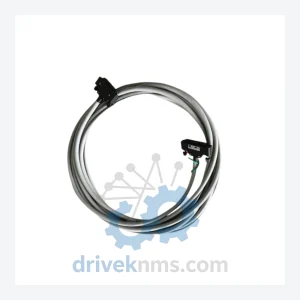
YOKOGAWA KS1 Series Signal Cables KS1*B
Yokogawa KS1*B is listed for DCS Cards RFQ review. Confirm quantity, condition and destination before quotation.
RFQ-ready industrial model
Model: ET5*B
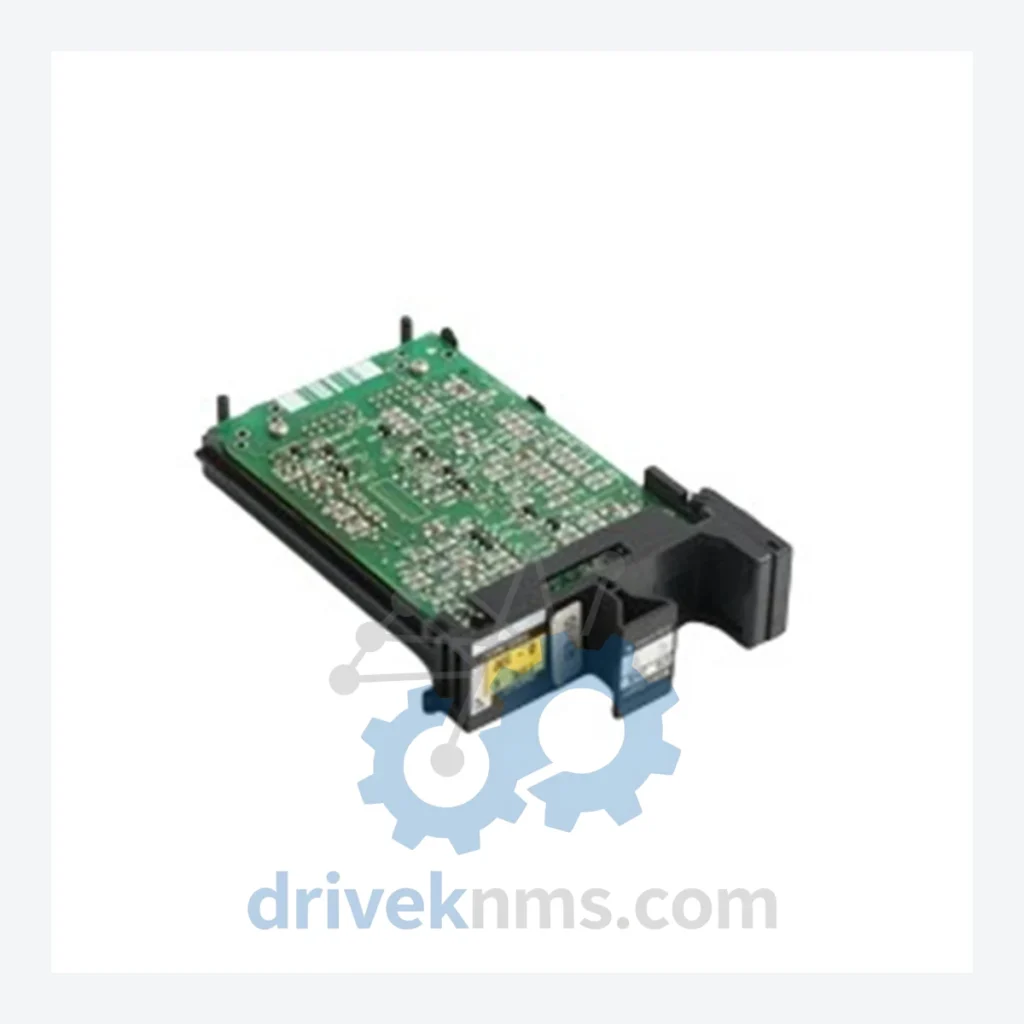
Product Overview
Commercial availability is handled through direct RFQ, model verification and export-oriented follow-up rather than public cart checkout.
Datasheet Preview
Use attached product manuals when available. If the manual is not public yet, request the full file directly through RFQ.
Commercial Path
Product pages on DRIVEKNMS are designed to verify model, brand and series first, then move the buyer into one clean quotation path.
Technical Dossier
The Yokogawa ET5 series signal conditioners occupy a well-established position in global heavy industry instrumentation infrastructure. Deployed across chemical processing plants, petroleum refineries, nuclear power facilities, and pulp and paper mills, the ET5 range serves as the field-signal isolation and conversion backbone for distributed control systems (DCS) and SCADA architectures. These modules accept raw sensor inputs — thermocouples, RTDs, millivolt sources, and milliamp loops — and output standardized 4–20 mA or 1–5 V DC signals compatible with Yokogawa CENTUM, STARDOM, and third-party DCS platforms. The ET5 series is manufactured to JIS and IEC standards, with CE marking for European installations and compliance with NAMUR NE21 for EMC immunity in industrial environments. Their DIN-rail form factor and plug-in terminal design reduce installation time and simplify field replacement without loop interruption.
The ET5 series was introduced as part of Yokogawa's modular signal conditioning platform, succeeding earlier discrete transmitter designs that required individual field calibration. The original ET5 architecture used analog isolation amplifiers with transformer-coupled barriers, providing galvanic isolation up to 1500 V AC between input, output, and power supply circuits. This three-port isolation design became a defining characteristic of the series and remains relevant for installations where ground loops and common-mode noise are persistent problems in long cable runs.
The following SKUs represent the verified ET5 series module range, classified by input type and output function. Each model is a discrete, independently powered signal conditioner in DIN-rail housing.
Thermocouple (T/C) Input Models:
RTD Input Models:
Millivolt (mV) Input Models:
Current (mA) Input / Repeater Models:
Potentiometer / Resistance Input Models:
Continue The Model Path
Move from this exact model into the matching system hub, brand archive, model-family archive or lifecycle sourcing route before sending a final RFQ list.
Related Paths
Yokogawa KS1*B is listed for DCS Cards RFQ review. Confirm quantity, condition and destination before quotation.
Yokogawa AIP512 is listed for CENTUM Series RFQ review. Confirm quantity, condition and destination before quotation.
Yokogawa SR1B-045N-1KC is listed for CENTUM Series RFQ review. Confirm quantity, condition and destination before quotation.