A stopped cooling fan is easy to photograph and easy to describe as a failure. On an Altivar 312, that observation needs context. Ordering a complete drive because the fan is stationary during a brief inspection can turn normal control behavior into an unnecessary replacement. Ignoring a genuine cooling problem is equally costly. The maintenance decision sits between those two mistakes.
Schneider Electric’s ATV312 fan-strategy FAQ, published in 2018 and updated in 2022, explains that fan operation depends on temperature, with different starting thresholds for specified drive sizes and a minimum running timer. This is established product guidance, not a new announcement. It means a fan observation should be interpreted against the applicable model and thermal state rather than an expectation that every drive fan runs continuously.
Record the condition, not only the symptom
A useful maintenance note says when the fan was observed, whether the drive was running, what load conditions applied, whether a thermal alarm occurred and what diagnostic information was available. It also identifies the complete drive reference. A note saying fan not turning omits the information needed to distinguish controlled operation from a fault.
Do not attempt to make the fan start by deliberately overheating the equipment or bypassing protective functions. Inspection and testing must follow the applicable manufacturer instructions and the site’s electrical safety procedures. Stored energy and exposed electrical parts remain hazards after power is removed; a maintenance article is not a discharge-time or access procedure.
For purchasing, record the suspected fault separately from the requested hardware. A plant may reasonably want a standby drive before the diagnosis is complete. That is a risk-management decision, not proof that the installed drive has failed. Clear wording avoids sending a healthy unit into a repair process under an inaccurate fault description.
Cooling belongs to the installation as well as the drive
The investigation should consider the environment around the drive. A fan and heat sink operate within a cabinet that may have its own filters, ventilation arrangements and thermal constraints. Recent changes in cabinet loading, contamination or operating duty deserve attention. Replacing the drive without understanding that surrounding condition can leave the original reliability problem untouched.
The relevant ATV312 installation manual provides the product-specific basis for installation and maintenance checks. Use the edition applicable to the installed equipment. Generic rules taken from a newer drive family or a different enclosure arrangement should not silently become the acceptance standard for an older installation.
Give the maintenance team enough time to preserve evidence before cleaning, resetting or replacing equipment changes the observed state. Photographs, diagnostic records and operating history can help explain whether the event was isolated or recurring. The point is not to delay necessary recovery but to retain the facts needed to prevent another interruption.
A fan quotation and a drive quotation answer different questions
If a fan assembly is genuinely required, its identity and permitted service procedure must be established for the exact drive. A physical size match or similar connector is not sufficient. The service scope should identify the approved component and the inspection or testing required after work. Do not improvise a replacement based on appearance or a nominal voltage alone.
If the plant instead needs a complete standby unit, begin with the full installed reference. A request for an ATV312HU15N4 drive spare is not the same request as one for an ATV312HU22N4 replacement unit. These links identify actual catalog entries, not an assertion that one drive is a suitable upgrade for the other.
Complete-drive acceptance must also address the application. Retain the approved parameter record, motor identification and relevant control-interface information. A spare that arrives with unfamiliar settings should not be released simply because it powers up. The responsible engineer must decide how configuration is recovered and how the installation will be commissioned.
Use evidence to choose the commercial route
There are several legitimate purchasing outcomes: obtain an exact service component through an appropriate channel, send the drive for a defined evaluation, or acquire a qualified complete spare. The best route depends on the established fault, repair scope, downtime exposure and available support. None can be selected responsibly from one photograph of a stationary fan.
For a repair inquiry, ask what the supplier will inspect and what the final report will demonstrate. For a complete spare, ask for label photographs, condition, included accessories and test scope. Confirm actual availability and dispatch terms directly. An online listing should not be treated as a live stock count or a promise that every unit is ready for immediate installation.
Preserve the distinction between a supplier’s bench test and the plant’s return-to-service test. A bench report can establish agreed hardware behavior under stated conditions. It cannot prove that the cabinet thermal environment, motor duty and process operation are satisfactory at the destination. Assign those checks to the relevant maintenance and commissioning owners.
Practical questions before ordering
Does a stopped ATV312 fan always mean the fan has failed?
No. The manufacturer’s FAQ describes temperature-dependent operation. Record the exact drive and operating condition, then use the applicable diagnostic procedure. Do not assume either failure or normality from fan motion alone.
Should I apply one temperature threshold to every ATV312?
No. The FAQ distinguishes specified drive sizes. Read the applicable manufacturer guidance in full and identify the installed unit. This article does not turn those thresholds into a field test instruction.
Will replacing the drive solve recurring overheating?
Not necessarily. The cabinet environment and operating conditions remain relevant. A replacement can restore hardware availability while leaving an external cause unresolved, so the investigation and commissioning checks still matter.
What should I send DriveKNMS for a useful quote?
Provide the full drive label, quantity, required condition, destination and whether you need a complete unit or a defined service evaluation. Include the observed fan behavior, alarms and available diagnostic evidence. Contact sale@driveknms.com to discuss the hardware scope without assuming that the first visible symptom identifies the failed part.
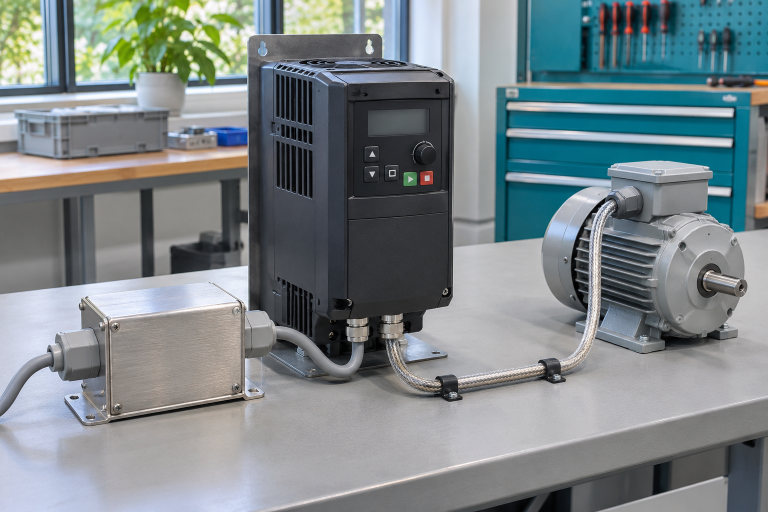
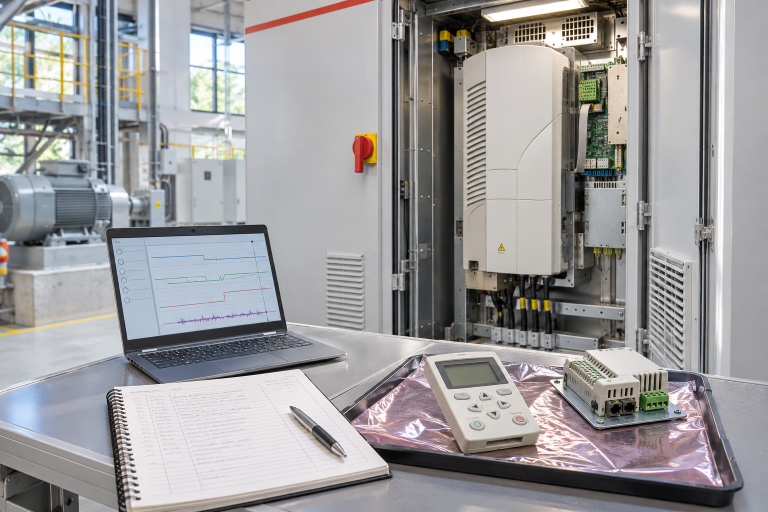
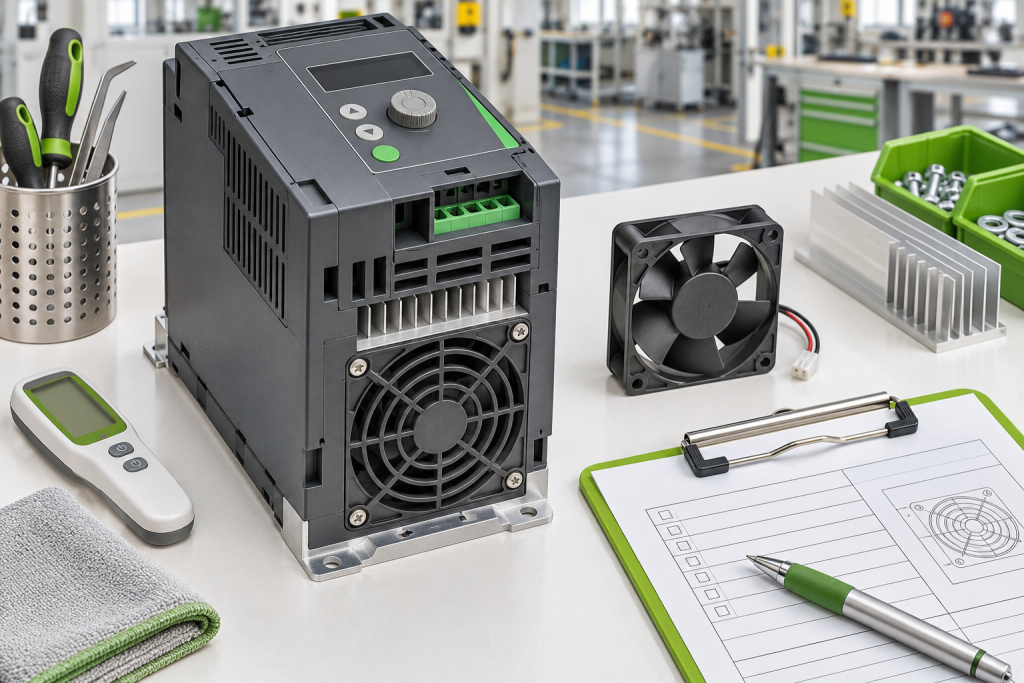
Image: AI-generated editorial illustration, not an exact product photograph or installation reference.
© 2026 DriveKNMS. All rights reserved. Official Website: https://driveknms.com Inquiry: sale@driveknms.com | WhatsApp/Tel: +86 18359293191