A PowerFlex 753 can start a motor and still fail the intended speed-control acceptance test. On a machine designed to use encoder feedback, the drive body is only one part of the measured-speed path. The actual signal starts at the encoder, passes through its cable and the correct drive option, and ends at the feedback source selected in the drive configuration. A purchasing record that says only “PowerFlex 753” cannot tell the next team whether those pieces will still line up.
Write down what the drive is supposed to measure
Begin with the motor and the machine drawing. Is the drive expected to use an encoder on the motor, feedback on a driven roll or another approved source? Identify whether the control action uses the signal or whether it is present for a separate monitoring function. For a geared axis, distinguish speed at the motor shaft from speed at the load. A displayed value that agrees at one operating point could still have the wrong scale, reference direction or source. Retain the engineering evidence that defines the expected behavior.
Rockwell’s 750-Series feedback option instructions cover distinct encoder and universal feedback modules. Record the actual option catalog number, location and approved encoder interface. Note the relevant model, supply, signal type and cable arrangements as documented by the manufacturer. Do not assume an encoder type from the connector alone. Also identify the site setting that selects the feedback source, and keep that evidence with the configuration version rather than a loose photo of the option card.
Make the quote distinguish the body and the installed options
A sourcing reference such as the PowerFlex 753 20F11NC8P7JA0NNNNN drive listing identifies a specific advertised assembly. It is not evidence that its option bay contains the required feedback card, that a particular port is available, or that it meets the drive’s electrical rating in your cabinet. Ask the vendor to describe the physical scope. Match the complete voltage, load, enclosure and option requirements from the installed machine before reviewing any alternative.
A different code such as the 20F1ANF015JN0NNNNN PowerFlex 753 listing belongs on a separate quote line if the site is comparing alternatives. Do not assume these drives interchange. The RFQ should explicitly distinguish included and separately supplied hardware, including any feedback option. Record whether the existing card and connector are intended for reuse under the accepted repair plan and who owns inspecting them. A valid quotation should identify unresolved options rather than silently assuming they will transfer.
Compare the signal with a known reference
Use the site’s controlled method to check direction, scale and consistency across the actual feedback path. The acceptance record needs a reference independent of the configured drive display. Detecting that the motor turns or that the drive indicates a speed proves little about where its feedback originates. If the offline bench cannot reproduce the real encoder or gearing, record what is proven there and defer remaining checks to authorized commissioning. Avoid informal changes that let a wrong source appear to pass.
Document what the process design expects when the feedback is missing or invalid. That is a separate case from normal operation, and the authorized method for exercising it depends on the machine. Where a safety function shares or monitors feedback, obtain the approved safety validation from the responsible engineer. A normal speed test does not validate protection. Keep change approval, isolation and work controls separate from this ordering guide, and never use shop expediency to change how the machine reacts to feedback loss.
Leave a useful spare record
On machines with a documented commissioning baseline, label the relevant comparison values as measured, calculated or commanded. The maintenance team can then recognize a command reference mistakenly used as feedback. If the machine includes a direction change or more than one legal speed range, identify which cases the accepted record covers. Retain any observations that make a proposed spare unsuitable under production conditions even though it passes a quick statically loaded test. This evidence belongs with the installation record, not just the original technician’s notebook.
A one-page record should tie the complete drive label, feedback card and port, encoder identification, parameter version and acceptance evidence together. Include the appropriate firmware and the machine reference so configuration revisions can be distinguished. Send DriveKNMS the full label, a sanitized option inventory and the required quote scope. The useful outcome is a parts line that matches the installed design and a handover that tells the technician which evidence remains necessary before production release.
Frequently asked questions
Does the drive nameplate identify every field-installed option?
Do not assume so. Compare the full drive code with the option card inventory and accepted drawings. The vendor’s scope and the site’s installed configuration are separate records and both matter.
Can the option be moved to another port because it fits?
Physical fit alone is not authorization. The manufacturer documentation, installed option combination and project configuration determine the permissible placement. Review any departure as a change rather than assuming the saved parameters are portable without review.
Is matching the speed display at one point sufficient?
No. An inferred speed or incorrectly scaled sensor can agree at a single point. Use the approved reference to check the intended source, direction and relevant operating range before release.
What belongs in the outage plan rather than the purchase order?
The purchase order should state the exact part, required options and condition. The outage plan should define the authorized release tests, who reviews the configuration and where the real feedback path can be tested.
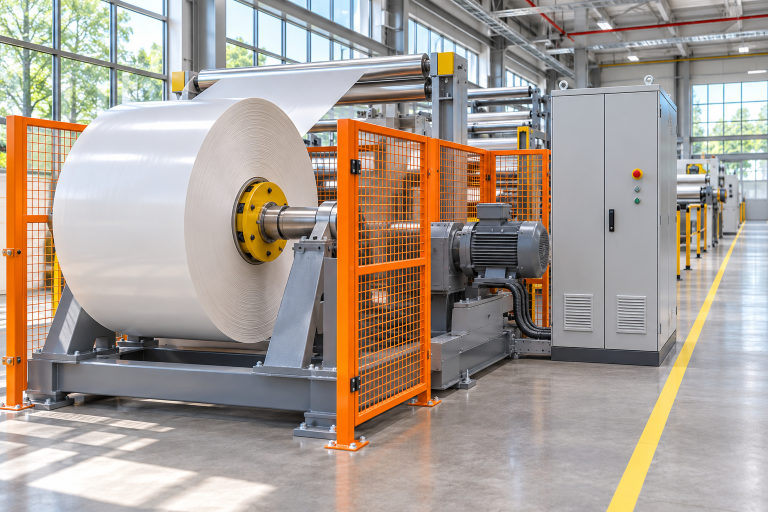
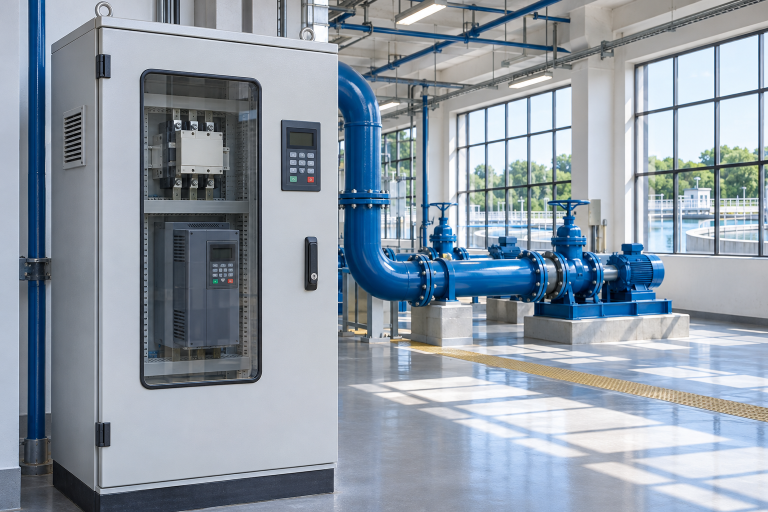
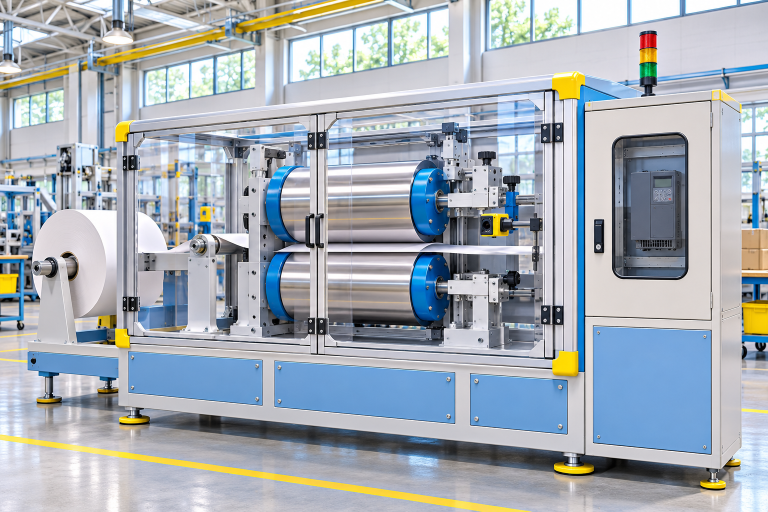
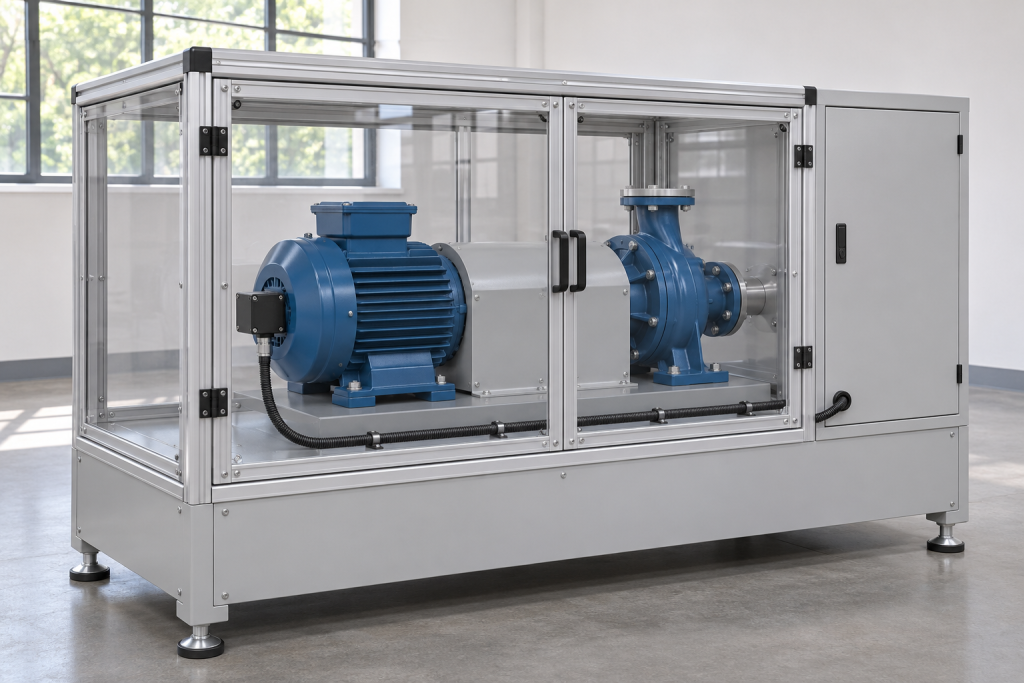
Image: AI-generated editorial illustration, not an exact product photograph or installation reference.
© 2026 DriveKNMS. All rights reserved. Official Website: https://driveknms.com Inquiry: sale@driveknms.com | WhatsApp/Tel: +86 18359293191